
Brachiaria lata
Brachiaria lata
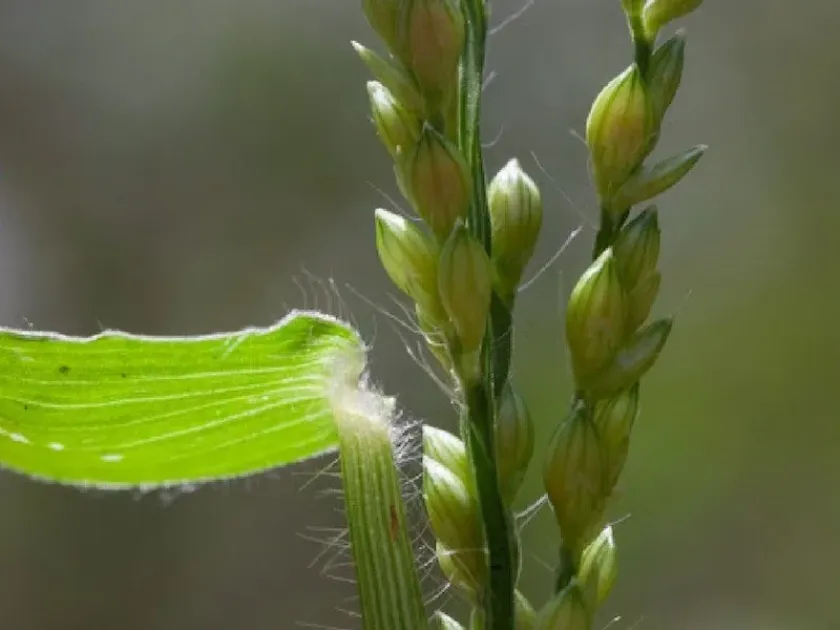
Description
Sowing dates
Sowing of Brachiaria lata is typically carried out at the beginning of the rainy season when soil temperatures are sufficient to support rapid germination. Optimal conditions involve temperatures above 20°C, which encourage swift root establishment in the emerging seedlings.
Successful field establishment requires a fine tilth, as the seeds are relatively small and sensitive to deep burial. Sowing is generally conducted using row planting or broadcasting methods, followed by rolling to ensure essential seed-to-soil contact.
The depth of sowing should be carefully managed, ideally between 1 and 2 centimeters. Under favorable tropical climate conditions, emergence usually occurs within 7 to 10 days post-seeding, provided moisture levels are adequate.
When incorporating this species into pasture mixtures, it is often sown alongside other perennial grasses to maximize nutritional yield. Seeding rates are adjusted according to the intended use and local agro-ecological constraints.
In regions with pronounced wet and dry seasons, adhering to these optimal sowing windows is critical. This ensures that the crop is well-rooted and robust before the onset of extreme moisture fluctuations or intense heat.
Growing requirements
Brachiaria lata belongs to the Poaceae family and is a heat-loving grass species originating from African regions. It demonstrates remarkable adaptability to various soil types, including acidic and low-fertility soils prevalent in tropical zones.
This grass shows high tolerance to phosphorus deficiency and thrives even on heavy clay soils with poor drainage. However, peak growth rates are observed in well-drained conditions rich in soil organic matter.
For optimal vegetation, the plant requires significant exposure to sunlight, as shade tolerance is limited, and insufficient light will lead to a reduction in biomass accumulation. Ideal temperatures for metabolic activity range from 25°C to 35°C.
The crop is highly valued for its ability to withstand short-term drought periods, facilitated by a deep and efficient root system. While it can survive in varied rainfall patterns, annual precipitation above 800 mm is typically required to maximize forage output.
Nitrogen application significantly improves biomass regrowth following grazing or harvesting. This nutrient responsiveness makes it a versatile tool for farmers looking to enhance the productivity of degraded tropical pastures.
Yield
The total yield of Brachiaria lata is contingent upon rotational management and the frequency of fertilization. Under optimized management practices, green biomass production can range from 20 to 30 tons per hectare per growing season.
Biological attributes allow for dual-purpose use, either as fresh grazing forage or as preserved hay, which enhances its economic utility for livestock farmers. Frequent grazing stimulates tillering, leading to a denser and more resilient sward.
Crude protein content typically averages 8–12% of dry matter, providing adequate nutrition for ruminants during active growth phases. Digestibility levels remain high if the crop is harvested at the proper maturity stage.
Systematic nitrogen fertilization can boost yields by 30–40%, proving cost-effective in intensive cattle production systems. Rotational grazing schedules are recommended to prevent overgrazing and maintain sustained plant vigor.
One of the species' most notable characteristics is its rapid recovery rate after defoliation. This rapid regrowth cycle ensures a consistent supply of forage throughout the season, effectively smoothing out periods of feed scarcity.
Main diseases and pests
The primary biological threats to Brachiaria lata include fungal diseases such as rust and leaf spots, which thrive during periods of high humidity and stagnant air circulation within the canopy.
Insect pests can also pose significant challenges, particularly soil-borne larvae that damage root systems, potentially leading to stand loss. In some specific geographical regions, spittlebug infestations are recognized as a serious economic threat.
To mitigate disease pressure, it is recommended to utilize resistant cultivars and implement strict pasture management. Avoiding excessive soil compaction from heavy stocking rates is essential to maintain root health.
Weed management during the initial establishment phase is crucial, as the grass can be slow to close the canopy, making it vulnerable to competition from more aggressive annual weeds during the early weeks post-germination.
Maintaining balanced soil fertility and proper water management helps the plant develop a robust immune response, serving as the first line of defense against the majority of common agronomical risks in tropical grazing systems.