
Brachiaria eruciformis
Brachiaria eruciformis
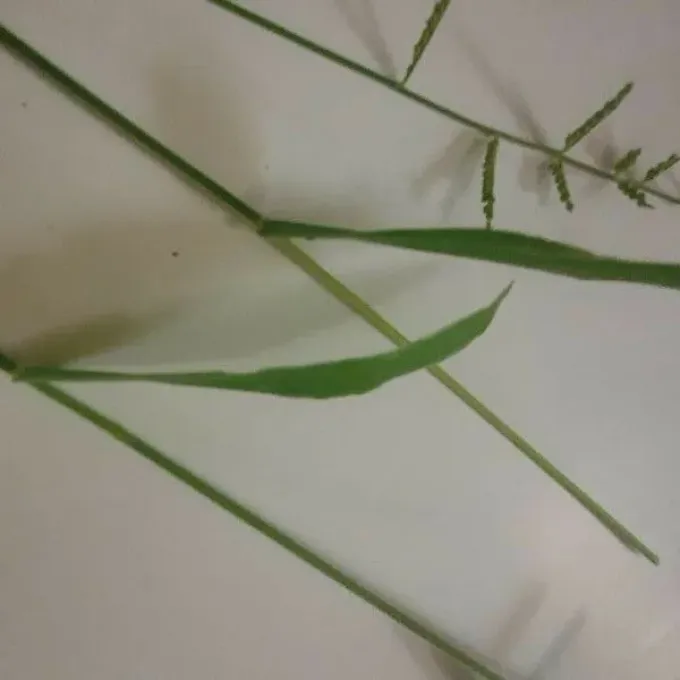
Description
Sowing dates
The sowing period for Brachiaria eruciformis is strictly tied to the onset of warm, frost-free weather, as it requires high temperatures to germinate effectively.
Optimal soil temperatures for successful seedling establishment are typically above 20 degrees Celsius, which is why planting is usually scheduled for late spring or early summer.
Seeds should be planted at a shallow depth to ensure adequate light exposure, which is critical for breaking dormancy and initiating early growth.
Field preparation must focus on creating a fine, firm seedbed that allows for moisture retention during the critical early stages of development.
Row spacing is usually adjusted to allow for rapid canopy closure, which helps suppress weed competition and protects the soil from erosion.
Growing requirements
Brachiaria eruciformis, a member of the Poaceae family, is well-adapted to a wide range of tropical and subtropical environments across the globe.
While it thrives on fertile, well-draining soils, it exhibits remarkable tolerance to varying moisture conditions, including brief periods of waterlogging.
This species is highly valued for its drought resistance, making it a reliable forage option in regions characterized by distinct dry seasons.
The plant performs best under full sun exposure; its growth rate and biomass production are significantly diminished when grown in shaded areas.
The soil pH preferred by this grass ranges from slightly acidic to neutral, though it can tolerate a variety of soil textures including clay-loams.
Yield
As a highly productive forage crop, Brachiaria eruciformis is widely used to provide high-quality grazing material for cattle and other ruminants.
The plant exhibits rapid regrowth characteristics, allowing for multiple harvest cycles per season when managed under an intensive rotational grazing system.
Biomass production is directly correlated with nitrogen availability, and responsive fertilization can significantly boost the overall yield of the pasture.
When harvested at the appropriate nutritional stage, the forage provides an excellent balance of protein and digestible fibers for livestock maintenance.
Seed production can be challenging due to the asynchronous maturation of spikelets, often resulting in lower yields if harvesting is not timed precisely.
Main diseases and pests
The crop is susceptible to various fungal pathogens, such as leaf rust, especially in humid conditions or when the canopy is overly dense and lacks aeration.
Pest pressures primarily include leaf-eating insects and sap-sucking organisms that can stunt plant growth and reduce the total photosynthetic area.
Effective management strategies involve regular scouting of fields to identify early signs of infestations and the strategic use of resistant varieties.
Preventative cultural practices, such as maintaining optimal plant density and avoiding excess nitrogen that creates lush, vulnerable growth, are essential.
Biological control agents and integrated pest management (IPM) techniques are encouraged to minimize the reliance on chemical inputs in pasture settings.
Harvesting
For hay production, harvesting should be performed during the early heading stage to maximize the nutrient content of the dried forage.
Rotational grazing is the preferred method for managing this crop, as it allows plants to recover and prevents the depletion of root reserves.
Cutting heights should be maintained at roughly 5–10 centimeters above the ground to promote tillering and ensure a quick recovery for subsequent harvests.
Proper drying and storage of harvested hay are critical to prevent mold development, which can significantly reduce feed quality and animal intake.
The versatile nature of the grass allows for its utilization as green chop, hay, or even as a sustainable cover crop in specific agricultural systems.