
Bouvardia triphylla
Bouvardia triphylla Salisb.
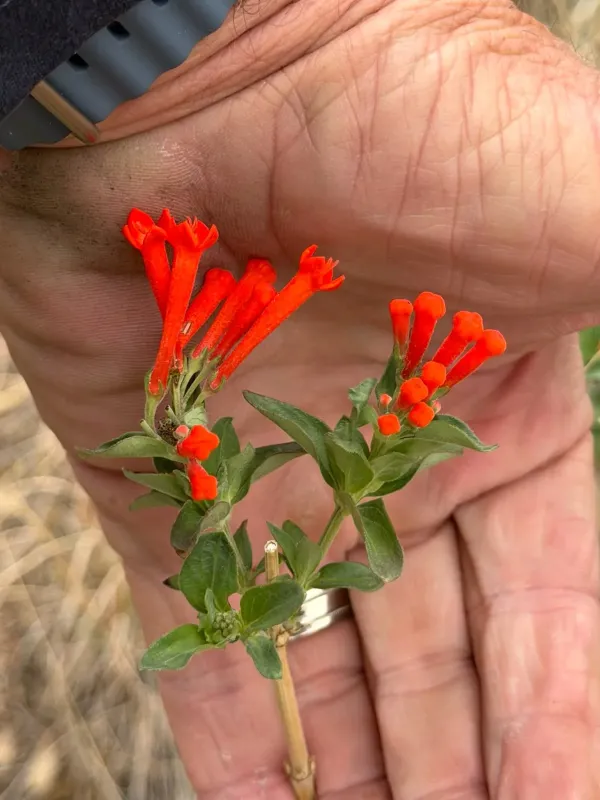
Description
Growing requirements
Bouvardia triphylla, belonging to the Rubiaceae family, is an evergreen subshrub native to the tropical highlands of Mexico. It is widely cultivated for its ornamental value in controlled greenhouse environments.
The plant thrives in temperatures between 20°C and 25°C. For successful flower induction, a cooler resting phase at 12–15°C is essential during the winter months to prepare the plant for the upcoming season.
The soil substrate must be highly permeable, nutrient-rich, and slightly acidic. A mix of peat, perlite, and pine bark is often used to ensure excellent drainage and root aeration, which is critical for health.
Light requirements are strict: the plant needs bright, filtered light. Exposure to direct intense sunlight can damage the leaves, so greenhouses are often equipped with shading systems to maintain leaf quality.
Maintaining high relative humidity (above 60%) is necessary for vigorous growth. Modern agricultural practices for this crop involve automated misting systems to keep the microclimate consistent throughout the day.
Main diseases and pests
Spider mites are the most significant pest for this crop, especially in environments where humidity levels are not strictly controlled, leading to rapid population growth and foliage damage.
Root rot is a common pathological threat resulting from overwatering or poorly drained substrates, which creates an anaerobic environment unfavorable for the roots.
Integrated Pest Management (IPM) is recommended, utilizing predatory mites for biological control alongside selective pesticides to ensure the plants remain free from pests without residues.
Preventative measures include regular sterilization of pots and tools, as well as maintaining proper spacing between plants to facilitate airflow and reduce the incidence of fungal diseases.
Monitoring the undersides of the leaves on a weekly basis allows for early detection of whiteflies and aphids, ensuring that localized treatments can be applied before an infestation spreads.
Harvesting
Bouvardia triphylla is primarily utilized as a high-quality cut flower. The commercial value of the crop is determined by the size and color intensity of the flower clusters.
Harvesting is performed by cutting the stems when the buds are partially open. This stage is chosen to ensure the longest possible vase life for the consumer or florist.
Post-harvest, plants require pruning of the older stems to stimulate the development of new, healthy shoots that will produce flowers in the following growth cycle.
Fertilization regimes focused on phosphorus and microelements are applied throughout the growing season to maximize stem strength and flower production efficiency.
Proper post-harvest handling, including the use of hydration solutions, is essential to minimize ethylene sensitivity and maintain the vibrant appearance of the flowers during transportation.