
Bouvardia multiflora
Bouvardia multiflora (Cav.) Schult. & Schult. f.
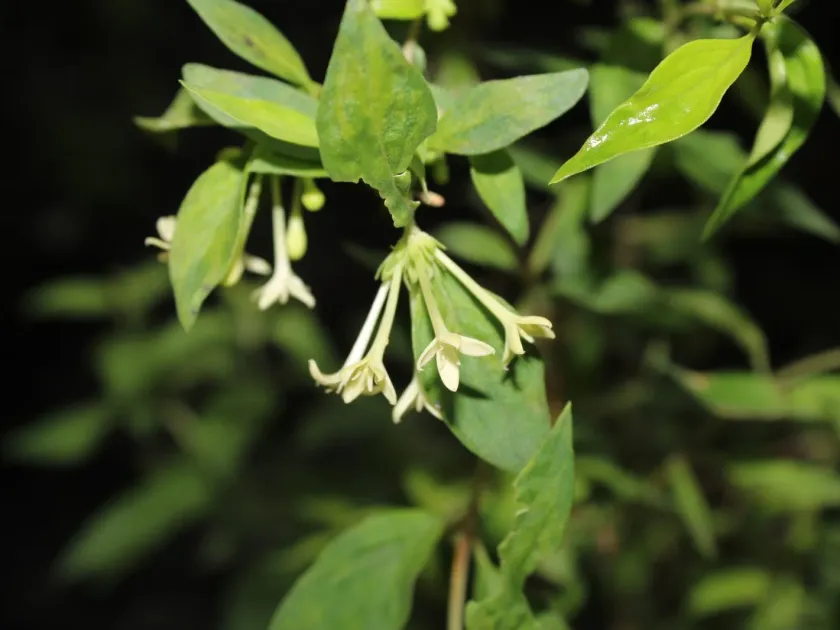
Description
Sowing dates
Propagation of Bouvardia multiflora is typically achieved through stem cuttings. This method is preferred to maintain genetic consistency and achieve a high success rate in commercial cultivation.
The best time to take cuttings is in the spring. Healthy shoots should be cut and placed in a porous medium, such as a mix of peat moss and perlite or coarse sand.
Maintaining a temperature of 22–24 degrees Celsius is crucial for root initiation. A high-humidity environment is often created using a misting system or covers to prevent dehydration.
Once rooting is established, the plants are moved to individual pots containing a rich, well-draining potting mix to support vigorous growth.
Light levels should be gradually increased as the young plants adapt, ensuring they receive enough energy to develop a robust structure before the flowering stage.
Growing requirements
Bouvardia multiflora belongs to the Rubiaceae family and originates from the tropical forests of Mexico. It is a thermophilic plant that requires a warm climate.
Optimal growth conditions involve bright, indirect light. Prolonged exposure to direct sunlight can damage the foliage, therefore shading is often applied in greenhouse settings.
The soil should be nutrient-rich, slightly acidic, and well-draining to avoid root rot, which is a common issue in heavier, compacted soils.
Consistent moisture is required during the active growing season. However, water management is key, as the plant does not tolerate waterlogged conditions.
Humidity levels should be kept between 60% and 70%. Regular misting or the use of automated humidification systems is recommended to maintain these levels throughout the year.
Main diseases and pests
Common pests affecting this crop include spider mites, aphids, and whiteflies. These pests thrive in dry environments and can quickly weaken the plant if left unchecked.
Integrated pest management strategies should be implemented, including regular monitoring, biological controls, or targeted use of insecticides when necessary.
Fungal diseases, specifically root rot, are often caused by poor drainage and excessive watering. Improving air circulation around the plants helps mitigate this risk.
Powdery mildew may occur if the temperature fluctuations are significant or if the humidity is not managed correctly within the growing area.
Routine sanitation, including the removal of dead or decaying plant material, is essential to prevent the spread of diseases within the cultivation facility.