
Bouvardia glaberrima
Bouvardia glaberrima Engelm.
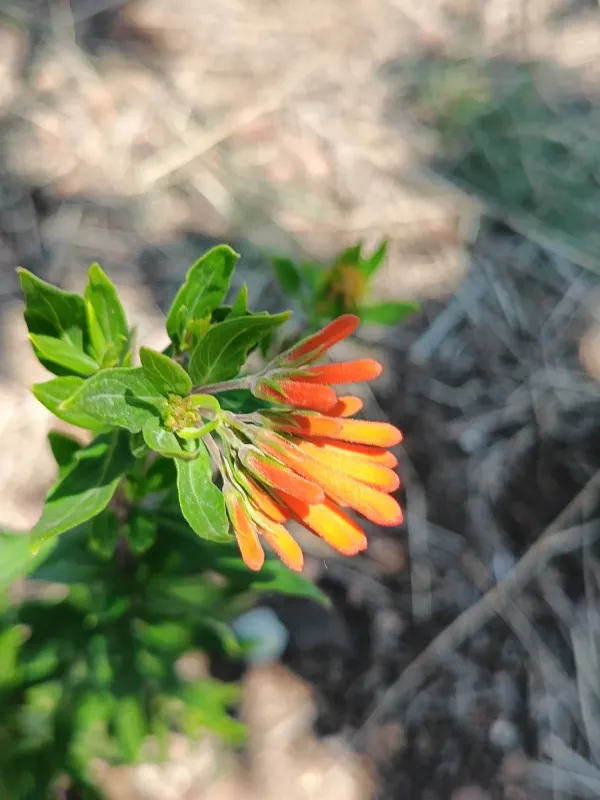
Description
Growing requirements
Bouvardia glaberrima is an ornamental perennial species belonging to the Rubiaceae family. Native to the mountainous regions of Mexico and Central America, this plant is valued for its elegant foliage and ability to produce vibrant clusters of flowers in controlled environments.
The crop thrives in temperate conditions with a preferred daytime temperature range between 18 °C and 24 °C. It is sensitive to frost and extreme heat, requiring a stable environment, which makes it an ideal candidate for greenhouse or indoor container cultivation.
In terms of soil requirements, the plant prefers well-drained, fertile substrates that retain moisture without becoming waterlogged. A mixture of peat, loam, and coarse perlite provides the necessary structure to prevent root suffocation and promote healthy development.
Bouvardia glaberrima requires bright, indirect light to achieve optimal growth and flowering. While it enjoys morning sun, intense afternoon direct light can scorch the leaves; therefore, light shading is recommended in high-radiation regions during the summer months.
Water management is critical during the active growth phase, as the substrate should remain consistently moist but not saturated. Reduced watering is advised during the winter dormancy period to prevent fungal issues and allow the plant to prepare for the next flowering cycle.
Main diseases and pests
Common pests affecting Bouvardia glaberrima include aphids, whiteflies, and spider mites. These insects tend to colonize the underside of leaves and tender stem tips, potentially causing significant yield loss in commercial cut-flower operations if left unchecked.
Powdery mildew represents a major fungal threat in high-humidity settings with poor airflow. Maintaining proper ventilation and reducing leaf wetness are fundamental strategies to mitigate the risk of infection and preserve the aesthetic quality of the blooms.
Root rot pathogens, such as Pythium and Phytophthora, can destroy the root system if the drainage is inadequate. Using sterile pots and properly treated soil mixtures helps ensure that the root zone remains free from harmful soil-borne pathogens throughout the season.
For chemical control, rotating active ingredients is necessary to prevent the buildup of pest resistance. Growers should implement integrated pest management (IPM) practices, emphasizing biological controls such as predatory mites to manage populations of common sap-sucking insects.
Regular monitoring of plant health, especially at the transition between growth stages, is vital. Quick removal of infested plants acts as a primary barrier to prevent the spread of diseases within the greenhouse, ensuring the longevity and productivity of the entire crop.