
Bouvardia
Bouvardia longiflora x Bouvardia ternifolia
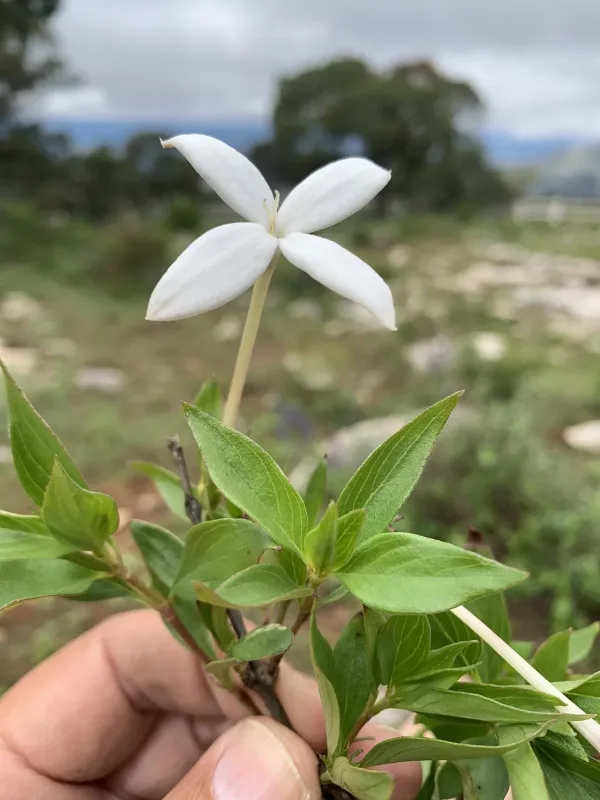
Description
Growing requirements
Bouvardia (lat. Bouvardia longiflora x Bouvardia ternifolia) is a perennial evergreen shrub belonging to the Rubiaceae family. This plant is native to the tropical and subtropical regions of Central and South America, with Mexico being its primary center of origin.
To ensure optimal growth, the crop requires a controlled environment with temperatures consistently maintained between +18°C and +25°C. Sensitive to cold drafts and rapid temperature fluctuations, the plant demands precise greenhouse climate management to reach its potential.
The ideal growing medium must be loose, well-aerated, and have a slightly acidic pH between 5.5 and 6.5. Proper drainage is essential, as the root system is highly susceptible to rot if the substrate remains waterlogged for extended periods.
Bouvardia thrives under bright, filtered light. During peak sunlight, professional growers often employ shading techniques to prevent leaf scorch. High relative humidity (60–70%) is vital for maintaining turgor and supporting the development of high-quality tubular blossoms.
Commercially, Bouvardia is highly regarded as a premier cut flower crop. Its unique, long-lasting clusters of trumpet-shaped flowers are widely utilized in sophisticated floral design and high-end event decoration across the world.
Main diseases and pests
The most common pests affecting Bouvardia are aphids, whiteflies, and spider mites. These sap-sucking insects can cause significant damage to the plant's health, manifesting as deformed leaves and stunted growth, which reduces the marketability of the cut flower.
Root rot is the most serious disease, often resulting from improper irrigation management or poor substrate structure. Additionally, powdery mildew may develop if there is insufficient air circulation and excessive ambient moisture within the growing facility.
Integrated Pest Management (IPM) strategies are highly recommended for this crop, including the use of systemic insecticides and fungicides. It is crucial to monitor populations regularly and alternate control products to prevent the development of pesticide resistance.
Strict sanitation protocols should be practiced, including the sterilization of growing benches and tools. Removing and destroying affected plant debris promptly helps prevent the spread of fungal spores and viruses throughout the crop cycle.
Enhancing plant vigor through balanced fertilization regimes significantly improves natural resistance to pests. A healthy, well-nourished plant will demonstrate superior recovery potential and maintain higher commercial output throughout the harvesting period.