
Bomarea salsilla
Bomarea salsilla
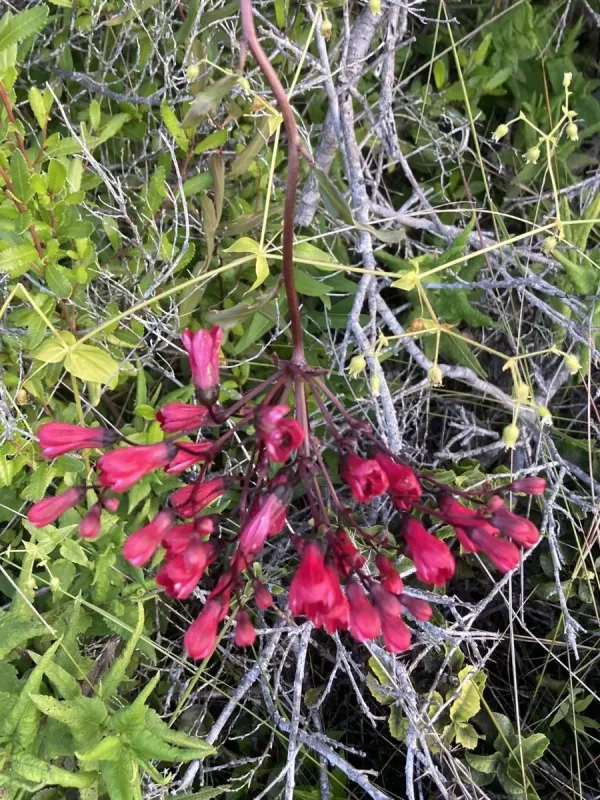
Description
Growing requirements
Bomarea salsilla is a perennial herbaceous vine belonging to the Alstroemeriaceae family. This plant is highly valued in ornamental horticulture for its elegant twining stems and clusters of tubular flowers that form vibrant, bell-shaped inflorescences.
Native to the high-altitude regions of Chile, the plant thrives in temperate climates with cool nights. It requires sheltered locations protected from strong winds, where stable air humidity is maintained and extreme temperature fluctuations are minimized.
For successful development, Bomarea requires loose, well-draining soil rich in organic matter. The pH level of the substrate should ideally be slightly acidic to neutral, as alkaline soils often cause iron chlorosis in the leaves, negatively affecting the plant's health.
The crop demands regular moisture during the active growing season in spring and summer. However, it is essential to prevent waterlogging in the root zone, as the fleshy, tuberous roots are prone to rapid decay in heavy or constantly wet soils.
The lighting requirements for this species involve dappled sunlight or partial shade. Exposure to intense, direct midday sun can scorch the delicate foliage, making areas under light tree canopy or structures providing filtered light the most suitable for planting.
Main diseases and pests
The most significant threat to Bomarea is the spider mite, which thrives in dry air conditions. These pests suck sap from the leaves, leading to chlorosis, webbing, and eventual leaf drop if left untreated.
Aphids frequently target the plant, congregating on soft young shoots and flower buds. This infestation inhibits the plant's growth and significantly reduces the overall quality and frequency of blooms.
Root and stem rots are common issues stemming from poor drainage or overwatering. Fungal pathogens exploit wet conditions, leading to the rapid deterioration of the plant's vascular system and subterranean structures.
Slugs and snails can cause substantial damage to the aerial parts of the vine, especially during damp spring months when new, succulent growth is highly vulnerable to feeding.
To maintain plant health, it is recommended to conduct regular monitoring of the foliage and ensure optimal airflow around the vines to reduce humidity-related fungal risks and discourage pest colonization.