
Bomarea dulcis
Bomarea dulcis
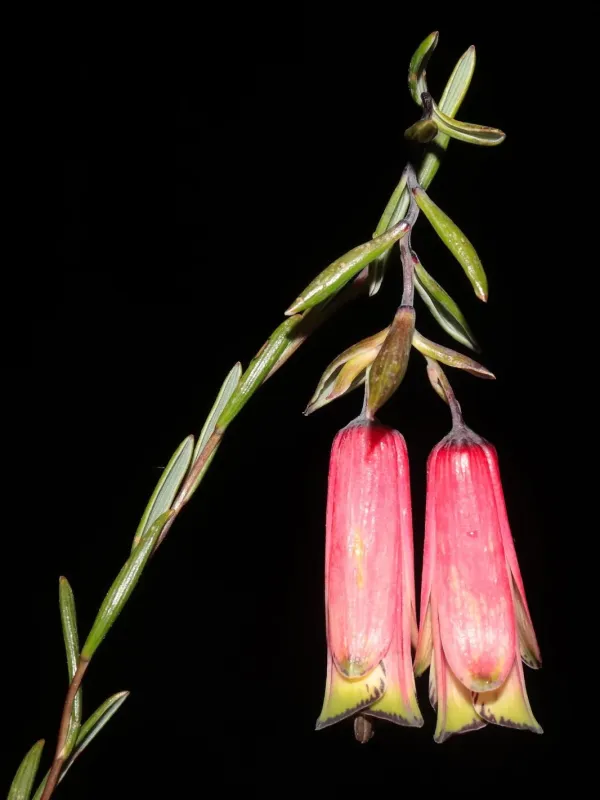
Description
Growing requirements
Bomarea dulcis is an herbaceous perennial plant belonging to the Alstroemeriaceae family. Unlike its ornamental relatives, this species is noted for its tuberous roots, which have been historically utilized as a localized food source in high-altitude environments.
The plant originates from the Andean regions of South America, typically found at high elevations. It is biologically adapted to cool, moist environments and displays specific sensitivity to both extreme heat and prolonged frost, making it a niche crop for specialized farming.
The agronomic requirements for this crop focus on well-draining, humus-rich soil. Because the tubers are sensitive to waterlogging, cultivation success depends heavily on implementing effective drainage systems or planting in raised beds to ensure proper soil aeration.
In terms of light and temperature, Bomarea dulcis thrives in partial shade. It mimics the environment of the Andean cloud forests, where it receives indirect sunlight and benefits from consistent atmospheric moisture, which is crucial for vegetative vigor.
Cultivation management involves careful moisture control during the growing season. The plant performs best in a controlled climate where seasonal fluctuations are not extreme, allowing for the consistent development of its edible storage organs.
Harvesting
The economic and agricultural utility of this plant is centered on the harvest of its starchy tubers. These tubers are typically ready for extraction once the foliage begins to senescence, providing a nutritious carbohydrate source that is prepared through thermal processing.