
Bomarea edulis
Bomarea edulis
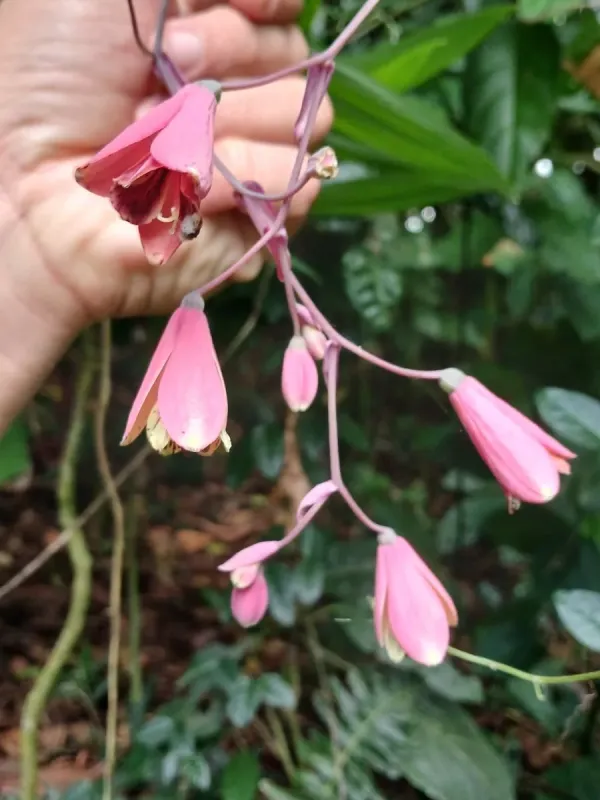
Description
Growing requirements
Bomarea edulis is a perennial herbaceous vine belonging to the Alstroemeriaceae family. It is recognized for its climbing stems that require structural support to thrive, making it an interesting candidate for vertical gardening in tropical climates.
The plant originates from Central and South America, extending from Mexico down to Argentina. It thrives in diverse environments, typically inhabiting forest edges and mountain slopes where temperature fluctuations remain moderate year-round.
Botanically, the species is characterized by its tuberous roots, which act as energy storage organs. These tubers contain significant amounts of starch, which is the primary reason for the plant's historical and culinary significance in its native regions.
In terms of soil requirements, Bomarea edulis prefers well-draining, nutrient-rich substrates. It is essential to ensure that the root zone does not become waterlogged, as this can lead to root rot, especially in humid and warm climates.
Climate adaptation is the primary constraint for large-scale cultivation. Being a tropical species, it requires consistent warmth and protection from frost, which makes greenhouse cultivation the preferred method in temperate zones.
Yield
The economic utility of Bomarea edulis lies in its edible tuberous roots. These are traditionally consumed as a starch source, often prepared by boiling or roasting, similar to other root vegetables like sweet potatoes or cassava.
Yields are heavily influenced by environmental factors such as sunlight exposure and moisture management. Providing the plant with adequate trellis space allows for better foliage development, which directly contributes to higher photosynthetic output and tuber size.
Beyond its food value, the plant displays beautiful, bell-shaped flowers that are highly valued in the ornamental plant trade. This dual-purpose nature makes it a niche but potentially profitable crop for specialized agricultural markets.
The harvesting process should be timed to coincide with the end of the growth cycle, specifically when the vine starts to naturally die back. This allows the plant to relocate all stored energy from the foliage into the underground tubers.
Post-harvest handling is critical for maintaining quality. Tubers should be cleaned, dried properly, and stored in a cool, ventilated area to preserve their starch content and prevent degradation by fungal or bacterial pathogens.