
Bomarea multiflora
Bomarea multiflora
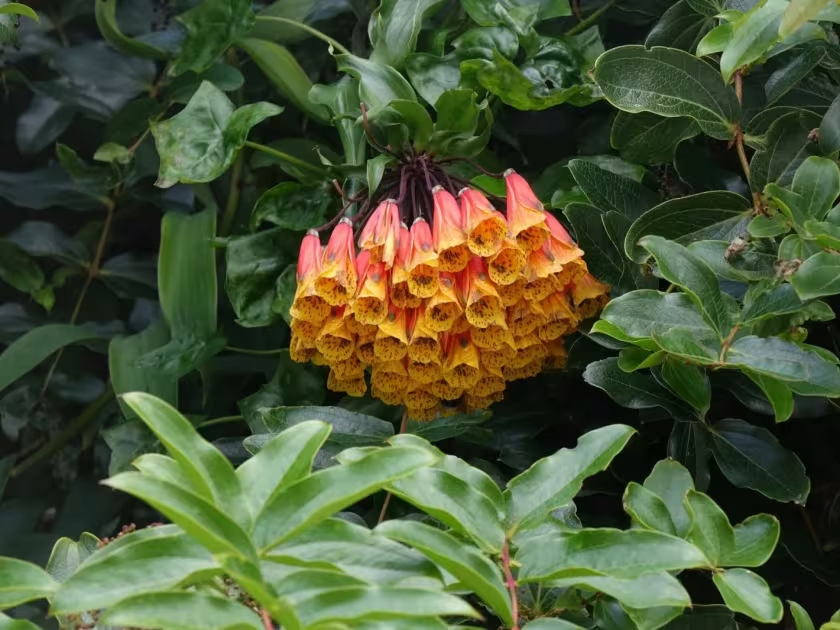
Description
Sowing dates
Sowing Bomarea multiflora seeds is best done in early spring using a lightweight, well-draining substrate. Seeds require a period of cold stratification for about 3–4 weeks to break dormancy and ensure uniform germination.
Seeds should be covered with a thin layer of soil, approximately 0.5 to 1 cm deep. Maintaining high humidity and consistent temperature is crucial; covering containers with clear plastic helps create the necessary microclimate.
Once seedlings have developed two sets of true leaves, they should be carefully pricked out into individual pots. Handling the root system with extreme care is vital to avoid transplant shock.
In temperate climates, this species is best suited for greenhouse or conservatory environments where temperature fluctuations can be minimized. It is not frost-hardy and should be kept protected.
Young plants benefit from gradual acclimation if moved to outdoor locations during the summer months. Always ensure they are placed in a spot protected from strong, drying winds.
Growing requirements
Bomarea multiflora is a perennial climbing vine belonging to the Alstroemeriaceae family, native to the mountainous regions of South America. It thrives in conditions that mimic its natural habitat.
The plant prefers dappled shade or bright indirect light. Intense midday sun can scorch the foliage, so positioning the plant in a shaded area is recommended for optimal health.
A loose, humus-rich soil that is slightly acidic is ideal. Excellent drainage is non-negotiable, as waterlogged soil will cause the tubers to rot rapidly during the dormant or growing season.
As a vigorous climber, Bomarea multiflora requires sturdy trellises or supports to grow effectively. Training the vines onto a support structure encourages better airflow and better display of its unique flowers.
Consistent moisture is needed during the growing season, but the soil should be allowed to dry slightly between waterings. Use a balanced, water-soluble fertilizer monthly to support lush growth.
Main diseases and pests
Spider mites are the most significant pest concern for Bomarea multiflora, especially in environments with low air humidity. Misting the leaves regularly can help deter these small infestations.
Aphids can occasionally attack the tender new growth and flower buds. Early detection and the use of insecticidal soap or specific pesticides will manage the problem effectively without harming the plant.
Root rot is the most common disease, usually triggered by excessive watering or poor soil structure. Ensuring that the drainage holes are clear and the substrate is aerated prevents this condition.
Fungal leaf spots can occur if the foliage remains wet for extended periods in stagnant air. Ensuring good ventilation is essential for preventing such pathogens from establishing.
Always sterilize gardening tools before pruning to prevent the transmission of viruses or bacteria. Keeping the area around the base of the plant clean and free of dead debris reduces infection risks.