
Berchemiella
Berchemiella
Berchemiella is a genus of rare woody plants belonging to the Rhamnaceae family. Currently, botanical classification recognizes a very limited number of species within this genus, most of which are endemic to the regions of East Asia, primarily Korea and Japan.
What the section contains

Berchemiella
The natural habitat of these plants typically includes temperate forest ecosystems. They thrive in environments where specific levels of humidity and stable temperature regimes are maintained throughout the growing season, which is essential for their development in mountainous or foothill forest belts.
From a biological perspective, these plants are highly sensitive to habitat degradation. They prefer well-drained, humus-rich soils and occupy a narrow ecological niche, which makes them poorly adapted to intense human interference or rapid environmental changes.
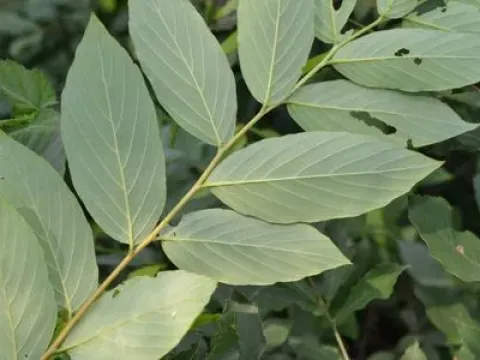
A key morphological feature of Berchemiella includes leaf patterns and branching structures characteristic of the Buckthorn family. These are deciduous shrubs or small trees that possess the ability to adapt to partial shading under a forest canopy, a trait crucial for their persistence in natural forest understories.
Given their rarity and the threat of extinction facing wild populations, this genus has no commercial agricultural significance. Contemporary efforts regarding Berchemiella are focused on the study of their genetic material, the preservation of existing habitats, and controlled introduction attempts within specialized botanical garden collections.