
Berchemiella berchemiifolia
Berchemiella berchemiifolia
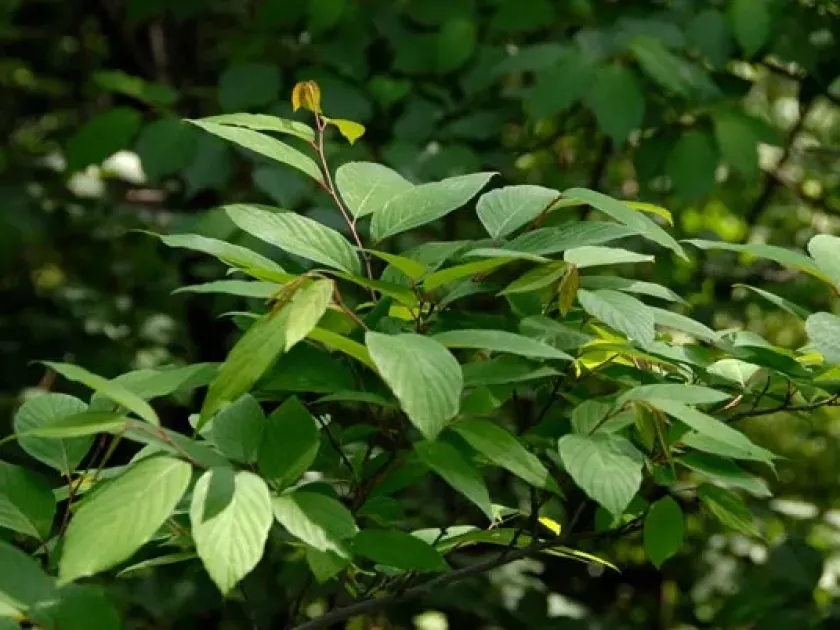
Description
Growing requirements
Berchemiella berchemiifolia is an exceptionally rare woody species belonging to the Buckthorn family (Rhamnaceae). In the wild, this plant is an endemic species primarily found on the islands of Japan, such as Honshu and Shikoku, where it naturally occupies woodland environments.
The plant is a deciduous tree or large shrub adapted to warm-temperate climates with sufficient rainfall. In its natural habitat, it prefers mountain slopes and well-drained, nutrient-rich forest soils that exhibit a neutral or slightly acidic pH level.
Its botanical characteristics include a slow growth rate and a high sensitivity to changes in substrate composition. The species performs poorly under direct, intense sunlight, preferring the semi-shaded conditions typical of the understory of broad-leaved forests.
The culture features unique decorative foliage and small flowers, consistent with other members of the Rhamnaceae family. Due to its critically low population numbers in the wild, current efforts are strictly focused on gene pool preservation and experimental cultivation in specialized botanical gardens.
Successful development of this species requires maintaining stable soil moisture without waterlogging. Because of its highly restricted range and status as a threatened species, commercial agricultural production is currently not conducted, as the priority remains species conservation.
Main diseases and pests
Major threats to the species are linked to human-induced pressures and the degradation of its natural ecosystem. Given the small size of existing populations, any disruption to the habitat creates a high risk of local extinction for the plant.
Diseases affecting this species are not extensively documented due to its rarity. However, like many other buckthorns, it may be susceptible to fungal infections if soil moisture is poorly managed or if there is insufficient aeration of the root zone.
Pests that threaten the species include typical forest insect herbivores. In controlled environments like nurseries, the primary risks involve leaf-eating caterpillars and aphids, which can weaken young seedlings and inhibit their development.
Competition from invasive plant species poses a significant pressure on the remaining range of Berchemiella. Invasive weeds often outcompete the young trees for essential soil resources and light, preventing the natural regeneration of the population.
Monitoring the health of the plants requires regular inspection of the leaves and trunks for signs of damage. Protection strategies must focus on creating optimal conditions that minimize environmental stress, thereby improving the natural resilience of this rare culture.