
Berchemia zeyheri
Berchemia zeyheri
Description
Growing requirements
Berchemia zeyheri, commonly known as Red Ivory or ivory wood, belongs to the Rhamnaceae family. This slow-growing tree is native to the southern parts of Africa, including South Africa, Botswana, and Zimbabwe, where it thrives in diverse environments.
The species prefers deep, well-drained soils. In its natural habitat, it is found in savannas, woodland areas, and riverbanks, suggesting that it requires moderate moisture while being sensitive to waterlogged, heavy clay soils.
Berchemia zeyheri is well-adapted to the subtropical climate. It can withstand short dry spells, but for optimal development of its dense wood, it requires a consistent growth period with adequate seasonal rainfall.
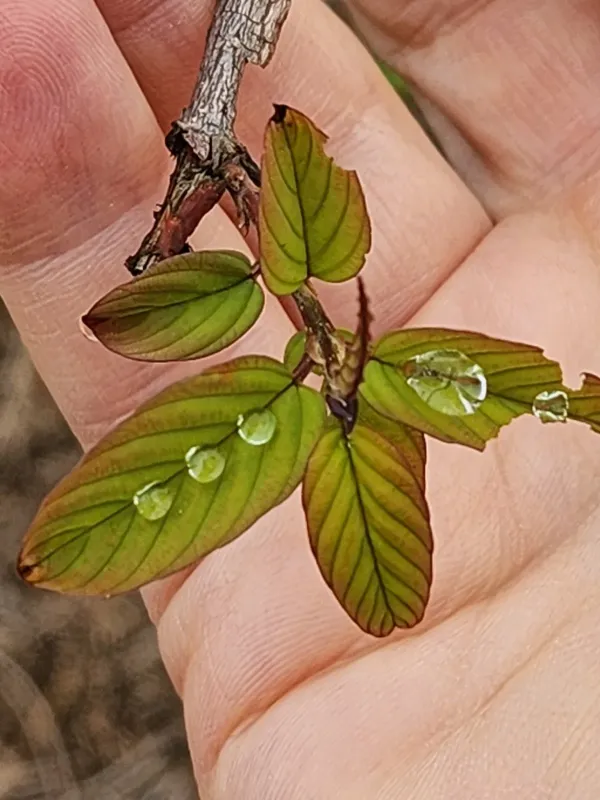
Botanically, it is a medium-sized tree that can reach heights of 10-15 meters. The leaves are oval-shaped with distinct, prominent venation, making the tree easy to identify within mixed forest stands or bushveld regions.
The tree is highly valued for its wood, which is dense, extremely hard, and often exhibits a pinkish hue. This material is traditionally prized for high-quality furniture, carvings, and luxury wooden items, reflecting its common name.
Yield
The yield of this crop is measured by the quality and volume of its timber. Because of its slow growth rate, harvesting is a long-term undertaking that requires forest management plans spanning several decades.
The tree produces small, edible drupes that ripen in late summer. While not a primary agricultural commodity, these fruits serve as a vital food source for local wildlife and contribute significantly to regional biodiversity.
Productivity in commercial or conservation forestry depends on site selection and protection from weed competition. Consistent monitoring of soil health and early-stage seedling care are essential for maximizing the timber output over time.
The economic value is linked to the rarity and durability of the heartwood. Success in cultivating this species relies on sustainable harvesting practices and the selection of genetically robust mother trees for propagation.
Fruit collection is primarily for local consumption. The tree serves a dual purpose in its environment, providing both a sustainable timber resource and ecological benefits for the surrounding savanna biome.
Main diseases and pests
Berchemia zeyheri is susceptible to various fungal pathogens that target the root system, particularly in poorly drained environments where excessive moisture promotes rot and decay.
Young seedlings are frequently targeted by foliage-feeding insects, including caterpillars and beetles. Integrated pest management practices, including routine field scouting, are required to protect young saplings during their establishment phase.
Wood-boring insects present a specific challenge to mature trees. These pests can compromise the structural integrity of the timber, requiring prophylactic measures and the immediate removal of infested branches to prevent wider spread.
Invasive plant species can outcompete Berchemia zeyheri in its early stages of life. Effective land management, such as clearing surrounding vegetation, is essential to allow young trees to secure adequate light and nutrient resources.
Extreme climate events, such as severe frosts or prolonged heatwaves, can increase the tree's vulnerability to secondary infections. Maintaining a healthy growing environment is the primary defense against such physiological stress factors.