
Rattan vine
Berchemia scandens
Description
Growing requirements
Rattan vine, botanically known as Berchemia scandens, is a woody deciduous vine belonging to the Rhamnaceae family. It is native to the southeastern United States, where it thrives in moist forests, floodplains, and along riverbanks.
This crop requires fertile, well-draining soils with consistent moisture levels to reach its maximum growth potential. While it adapts to a wide range of soil acidity, it performs best in rich, organic loamy substrates.
In terms of climate, Berchemia scandens is suited for temperate regions with mild winters. It benefits from full sun to partial shade, though in hotter zones, protection from intense afternoon sunlight prevents leaf scorching.
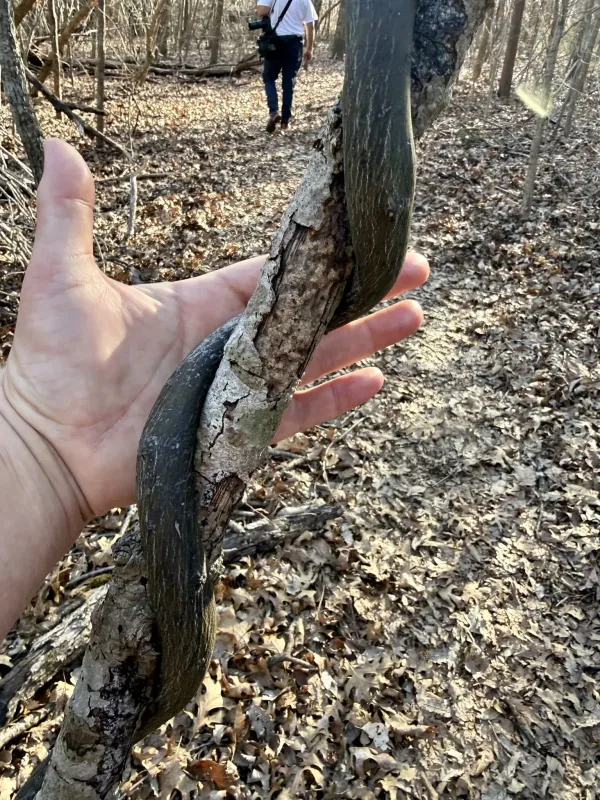
The plant is characterized by its aggressive twining stems that can climb high into trees or structures. Its foliage consists of alternate, smooth-edged leaves that provide excellent cover for vertical gardening projects.
Commercial and landscape usage is focused on erosion control and aesthetic structural coverage. It is often utilized to cover large fences, trellises, and abandoned structures where its rapid growth habit is considered an asset.
Main diseases and pests
Berchemia scandens is generally considered a low-maintenance plant with few major pathological concerns. However, in poorly ventilated sites, foliage diseases like leaf spots can occasionally occur.
Pest pressures are usually minor, with spider mites being the most common issue during extended hot and dry spells. Effective irrigation strategies significantly reduce the likelihood of infestation.
Root rot is a potential threat if the plant is grown in compacted soils with poor drainage. Establishing a proper drainage layer at the time of planting is the most effective preventative measure.
Aphids might occasionally colonize the soft, succulent tips of new growth. While rarely fatal, they can weaken the vine, necessitating occasional biological control interventions.
Maintaining clear space around the base of the plant and avoiding over-mulching prevents the creation of favorable environments for soil-borne pathogens and moisture-loving pests like slugs.