
Berchemia floribunda
Berchemia floribunda
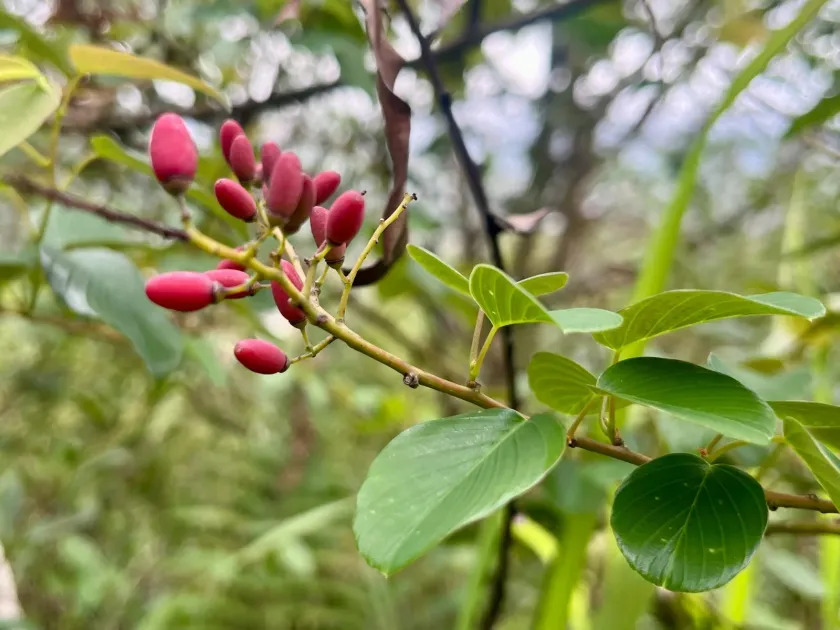
Description
Sowing dates
Propagating Berchemia floribunda is typically achieved through seeds or vegetative cuttings. Seeds require a cold stratification period of several months to overcome dormancy, simulating natural seasonal conditions for successful germination in the spring.
Sowing should take place in controlled environments using a well-draining, lightweight soil mix consisting of peat, sand, and perlite. Maintaining constant moisture levels without waterlogging is crucial for the delicate embryos to develop properly during the germination phase.
For vegetative propagation, semi-hardwood cuttings are taken during the mid-summer growing season. These cuttings are treated with rooting hormones and placed in high-humidity chambers to encourage root initiation before the onset of autumn cooling.
Seedlings and rooted cuttings require a gradual acclimation period before being moved to permanent locations. This process ensures the plants develop the necessary structural integrity to withstand environmental stressors and potential wind exposure.
Transplanting into the garden is best done in late spring when the risk of frost has completely passed. Providing initial support and adequate mulch around the base will help the young plant establish its root system during the first growing year.
Growing requirements
Berchemia floribunda, a member of the Rhamnaceae family, is a vigorous deciduous climbing vine native to the subtropical regions of Asia. It is known for its woody stems that can climb to significant heights when provided with adequate structures.
The plant thrives in fertile, loamy, and well-drained soils with a slightly acidic to neutral pH. It is highly intolerant of waterlogged conditions, which can lead to rapid root rot and overall plant decline, particularly in heavy or compact clay soils.
Light requirements are best met in areas with filtered or partial sunlight, though the vine can tolerate full sun if the soil moisture is kept consistent. Overexposure to intense midday heat may scorch the foliage, requiring careful site selection in hotter climates.
Climatic preferences include humid, warm environments typical of temperate-subtropical zones. While the plant can withstand some cold, severe winters may kill back the aerial stems, requiring regular pruning of frost-damaged wood in the spring.
Cultural maintenance involves the installation of sturdy climbing supports, such as trellises or arbors, to accommodate the plant's natural growth habit. Regular irrigation is necessary, especially during the dry summer months, to support its lush leaf development.
Main diseases and pests
The primary threats to Berchemia floribunda include fungal infections and root-related pathogens caused by poor air circulation and excessive moisture. Proper spacing and thinning of the canopy are essential to prevent the spread of mildew and other airborne spores.
Pests such as spider mites, aphids, and scale insects may infest the vine, especially when it is grown in environments with low humidity. Monitoring the undersides of the leaves is key to early detection and effective control of these sucking insect populations.
Disease management strategies rely on integrated pest management (IPM) practices, emphasizing sanitation and the removal of dead or decaying biomass. Avoid overhead watering to keep foliage dry, as this practice significantly reduces the risk of leaf spot pathogens.
Nutritional imbalances can make the plant more susceptible to opportunistic diseases. Using balanced, slow-release fertilizers helps maintain vigorous growth, which inherently strengthens the plant's natural defense mechanisms against common environmental stressors.
Careful observation during the active growing season allows for early intervention with organic fungicides or insecticidal soaps. Keeping the plant vigorous through consistent watering and proper light exposure remains the best protection against most common horticultural threats.