
Bird plum
Berchemia discolor
Description
Growing requirements
Bird plum (Berchemia discolor) is a significant fruit-bearing tree species within the Rhamnaceae family. It is native to tropical Africa and is well-adapted to savanna environments, where it serves as both a food source and a material resource.
The tree requires well-drained soils and thrives in warm, tropical climates. It is highly valued for its ability to withstand severe drought conditions, making it a resilient choice for agroforestry projects in arid regions.
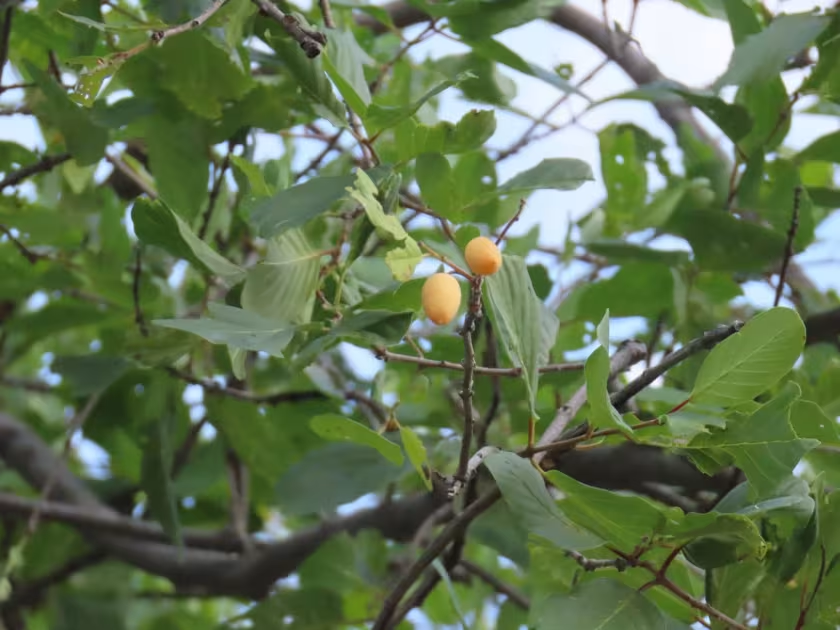
Botanically, Berchemia discolor features a dense canopy and can reach substantial heights. Its leaves are simple and alternate, while the small flowers give rise to edible, sweet-tasting drupes that ripen into a yellow-brown color.
Cultivation practices involve selecting sunny sites with deep soil profiles. Seedlings should be protected from competition with weeds during the early developmental stages to ensure robust growth and future productivity.
Beyond its culinary uses, the wood is renowned for its extreme hardness and resistance to termites. This makes it a preferred material for agricultural tools, fence posts, and construction in many African communities.
Yield
The yield of the bird plum is consistent once the tree reaches maturity. The fruits are typically harvested by hand when fully ripe, and they possess a high nutritional value, making them a vital seasonal commodity.
Main diseases and pests
The species is generally robust and suffers from few major pests. However, waterlogging is a primary concern, as it can cause fungal pathogens to attack the root system, ultimately leading to tree decline.
Localized insect attacks on leaves may occur during the wet season. Maintenance, including thinning out dense branches to improve airflow, is recommended to minimize the risk of pest infestations and fungal growth.