
Baptisia
Baptisia cinerea x Baptisia alba
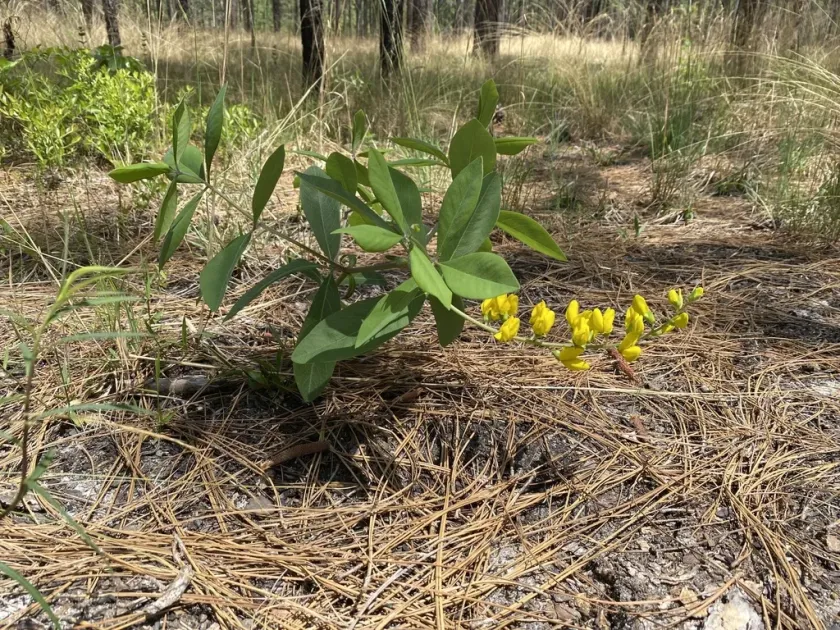
Description
Sowing dates
Baptisia seeds possess a hard coat, so scarification is recommended before planting to improve germination rates. The optimal time for sowing is spring or late autumn to allow for natural stratification within the soil.
When sowing in spring, seeds should be planted directly into the open ground or seed trays after soaking them for 24 hours. The sowing depth is approximately 1–2 centimeters, which protects the seeds from drying out while ensuring an environment suitable for germination.
Using a seedling method helps establish stronger plants before transplanting to their permanent location. It is crucial to avoid damaging the root system during transplantation, as Baptisia develops a deep, sensitive taproot.
The spacing between plants should be at least 60–90 centimeters. This provides enough space for proper airflow and the substantial growth that mature specimens achieve over several years.
During the first year after sowing, the plant develops slowly, focusing mainly on root establishment. Significant growth of the above-ground part is typically observed starting from the second season once the plant has adapted to its environment.
Growing requirements
Baptisia is a herbaceous perennial belonging to the Fabaceae (legume) family, known for its significant drought tolerance once established. The plant thrives in sunny locations, as shaded areas result in weak stems and reduced floral display.
The crop is not demanding regarding soil conditions but performs best in well-drained sandy loam or loam soils. It is essential to ensure that there is no water stagnation in the root zone, as this can lead to root rot.
The preferred soil pH for Baptisia ranges from neutral to slightly acidic. The plant is capable of adapting to nutrient-poor soils because it utilizes nitrogen-fixing bacteria, which allows it to thrive in less fertile environments.
Climatic requirements include high winter hardiness, allowing Baptisia to be grown across most temperate regions. The plant does not require special winter protection, as it can withstand freezing soil temperatures with ease.
During the active growth period, the crop requires moderate irrigation only during prolonged dry spells. Mature plants are highly efficient at extracting water from deep soil layers, reducing the need for constant maintenance.
Main diseases and pests
The primary diseases affecting Baptisia are fungal infections, often caused by poor agronomic practices such as excessive moisture or poor drainage. These may include root rot and powdery mildew, which appear under conditions of high humidity.
Among pests, weevils pose the greatest threat, as they can damage flower buds and foliage. Regular inspection of the plants is essential for early detection and the targeted use of insecticides.
An important preventive measure is to maintain proper spacing between plants, which prevents the rapid spread of diseases in dense plantings. Removing dead foliage in the autumn contributes to a healthier growing environment.
Selecting an improper site with stagnant water is the primary cause of most pathologies in Baptisia. Optimizing soil drainage is the most effective way to avoid bacterial and fungal diseases.
When dealing with severe infestations, systemic insecticides may be necessary; however, these should be applied before the onset of massive flowering to avoid harming beneficial pollinators that frequently visit the blooms.