
Australina
Australina
Australina is a genus of herbaceous plants belonging to the family Urticaceae. Native to parts of Australia and New Zealand, these plants are primarily found in moist, shaded habitats such as forest floors and damp gullies, where they contribute to the understory vegetation.
What the section contains


Australina
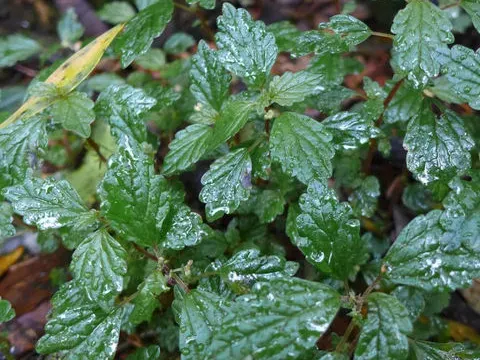
Botanically, plants of the genus Australina are recognized by their simple, often dentate leaves and inconspicuous flowers arranged in clusters. They exhibit a sprawling or mat-forming growth habit, making them effective ground cover species in suitable temperate or subtropical environments.
The cultivation of Australina requires a climate that mimics its natural habitat: cool to moderate temperatures and high ambient humidity. Prolonged exposure to direct, intense sunlight should be avoided, as it can cause desiccation and leaf scorching, negatively impacting the plant's overall health and vigor.
Soil requirements for Australina include high organic content, good water-holding capacity, and excellent drainage. Although the plant thrives in moisture, it is sensitive to waterlogging, which can quickly lead to root rot; therefore, the substrate must remain aerated and crumbly.
Agronomic management involves maintaining consistent moisture levels and providing partial shade. The plants respond well to balanced, nitrogen-rich fertilizers during the growing season, which encourages the development of lush foliage and lateral spreading of the plant canopy.
The primary diseases affecting Australina are fungal infections, particularly those triggered by excessive humidity and stagnant air. Pathogens such as powdery mildew require prompt removal of infected plant parts and improved air circulation to prevent the spread of the infestation throughout the crop.
Pests, most notably spider mites and aphids, represent a constant threat to the vitality of the plant. These pests thrive in humid environments and can rapidly multiply on the undersides of leaves, requiring vigilant monitoring and the timely application of specific control agents to maintain foliage quality.