
Australina pusilla
Australina pusilla
Description
Growing requirements
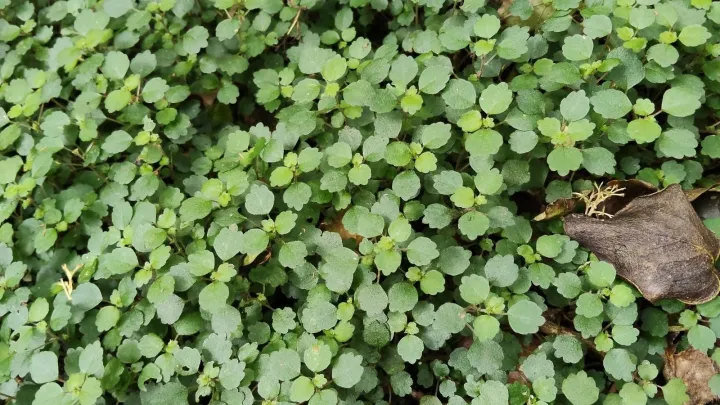
Australina pusilla is a delicate perennial herbaceous plant belonging to the Urticaceae family. It is typically found in humid, sheltered environments where it thrives in the soft, diffused light of woodland habitats or damp crevices.
The plant features creeping stems that readily root at the nodes, allowing it to spread effectively across the ground. Its leaves are distinctively serrated and lightly pubescent, which provides the plant with its characteristic soft texture and helps in moisture retention.
Cultivation requirements necessitate high humidity and consistent soil moisture. The ideal substrate is a light, well-draining organic mix that mimics the rich, damp soil of forest floors. It is essential to avoid waterlogging while ensuring the root system never fully dries out.
Climatic requirements focus on stable temperatures and the avoidance of harsh environmental stress. The plant performs best in protected areas where temperature fluctuations are minimal, making it an excellent candidate for greenhouse environments or controlled indoor garden beds.
In terms of agricultural and horticultural use, it is prized as a specialized groundcover for shaded sites. Its ability to create a lush, dense carpet makes it ideal for underplanting taller specimens in conservatory settings or naturalistic indoor landscaping designs.
Main diseases and pests
The main threat to the health of Australina pusilla involves pathogenic fungi that flourish under conditions of stagnant air and excess moisture. Proper air circulation is critical to prevent the onset of damping-off or stem rot within dense plant clusters.
Key insect pests include slugs and snails, which can cause significant mechanical damage to the foliage in outdoor or poorly sealed greenhouse environments. Additionally, spider mites may infest the plant during dry periods, causing leaf discoloration and gradual plant decline.