
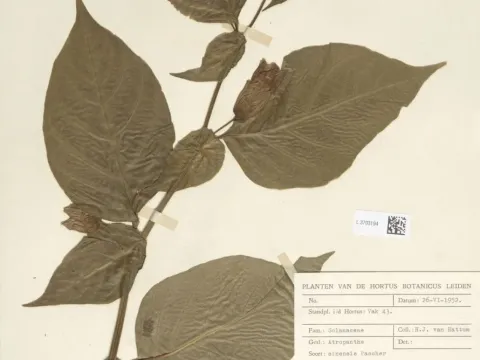
Atropanthe
Atropanthe
Atropanthe is a botanical genus within the Solanaceae family that requires specific environmental conditions for successful propagation.
What the section contains

Atropanthe
Seeds should be sown in a controlled greenhouse environment to protect young seedlings from early spring cold snaps and erratic weather.
The ideal timeframe for sowing begins in early spring, ensuring that the seedlings gain enough strength before being transplanted into the fields.
Standard horticultural practices, such as seed scarification or stratification, may be necessary to improve germination rates for this particular species.
Once the threat of frost has passed, hardening off the seedlings is a crucial step before final transplantation into the open ground.
This crop thrives best in nutrient-rich, well-draining soils that maintain moisture without becoming waterlogged during the rainy season.
Atropanthe prefers full sun exposure but benefits from light shade in regions with extremely intense solar radiation to prevent leaf scorch.
Regular irrigation schedules are essential, as consistent soil moisture is a key factor in achieving robust growth and high foliage quality.
Soil preparation should involve incorporating organic matter, which enhances structure and provides essential micronutrients for the growing plants.
Efficient weed management and cultivation of the soil surface help in promoting root respiration and reducing competition for nutrients.
Being a member of the Solanaceae family, Atropanthe is susceptible to common diseases like late blight, which thrives in humid conditions.
Pest management is focused on controlling typical Solanaceae-attacking insects such as aphids, mites, and the Colorado potato beetle.
Crop rotation is the most effective cultural practice to minimize the build-up of soil-borne pathogens in the production area.
Early detection and the removal of infected plant debris are critical steps in preventing the spread of diseases within the cultivation site.
When chemical interventions are required, they must be applied selectively to protect both the user and the surrounding ecosystem environment.
The harvesting process for Atropanthe is determined by its intended application, whether it is for pharmaceutical raw material or seed production.
Foliage harvesting is typically conducted at the peak of the flowering stage when the secondary metabolite content is at its highest point.
Post-harvest handling requires rapid drying in well-ventilated, shaded areas to ensure the degradation of active compounds is kept to a minimum.
Seeds are harvested once the fruits reach full maturity, followed by careful cleaning and drying to ensure stability during storage periods.
Proper documentation and storage in climate-controlled environments help maintain the quality and potency of the final agricultural product.