
Atropanthe sinensis
Atropanthe sinensis
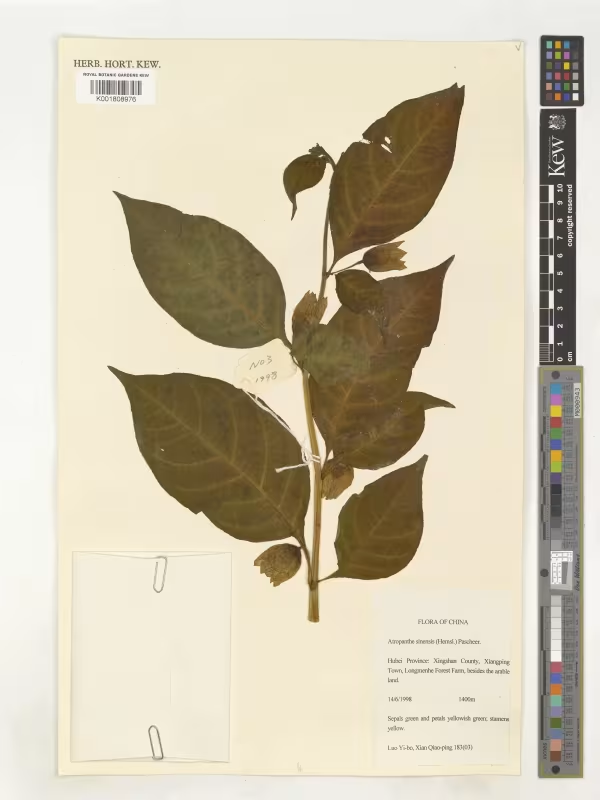
Description
Growing requirements
Atropanthe sinensis is a rare perennial herbaceous plant belonging to the Solanaceae family. It is native to the temperate forest regions of China, where it thrives in shaded, humid mountainous habitats.
The plant exhibits distinct botanical features, including broad, alternate leaves and a robust root system capable of sequestering significant concentrations of tropane alkaloids, making it of great interest to pharmaceutical research.
Successful cultivation requires soil that is rich in organic matter, well-draining, and slightly acidic. Proper moisture management is vital, as the plant is sensitive to waterlogging, which often leads to root damage.
Climatic requirements focus on a temperate environment with high atmospheric humidity and protection from direct, intense sunlight. Diffused light is ideal for maintaining healthy vegetative growth throughout the season.
Agrotechnical management includes regular weeding and controlled fertilization to support steady growth. Because of its medicinal nature, agricultural practices often emphasize avoiding synthetic chemical pesticides.
Main diseases and pests
Fungal infections, particularly root rot (Rhizoctonia or Phytophthora), represent the primary threat to Atropanthe sinensis in cultivation, especially if soil drainage is compromised.
Leaf-feeding insects, such as aphids and various beetle species typically associated with Solanaceous crops, can significantly impact the biomass, leading to poor quality of harvested plant material.
Spider mites are common pests during dry, hot spells, causing chlorosis and leaf shedding, which disrupts the photosynthetic capacity of the plant during critical growth stages.
Gastropods like slugs can be particularly destructive to young, tender plants, requiring barriers or biological controls to protect the establishment of new plantations.
Effective management against these threats relies on rigorous crop rotation, sanitization of agricultural tools, and maintaining an optimal microclimate to prevent the onset of common diseases.