
Aspilia mortonii
Aspilia mortonii
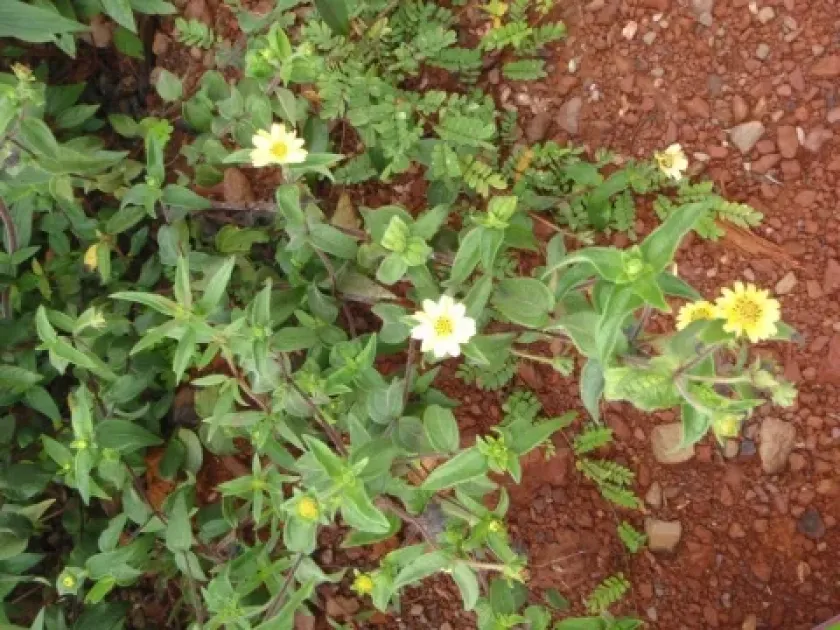
Description
Growing requirements
Aspilia mortonii is a perennial herbaceous species belonging to the Asteraceae family. It originates from the tropical zones of West Africa, where it is found in diverse habitats including savanna regions and forest edges, showcasing a high degree of natural adaptation to tropical environments.
The plant thrives in well-drained soil conditions, preferring soils with a balanced nutrient profile. It is essential to ensure that the planting site has sufficient depth for root penetration and avoids areas prone to waterlogging, as the root system is sensitive to prolonged anaerobic conditions.
Light requirements for Aspilia mortonii are high, necessitating full exposure to sunlight throughout the growing season. In commercial cultivation, plant density must be managed carefully to ensure uniform light distribution and air circulation, preventing the development of pathogens in dense foliage.
Regarding climate, this crop is strictly tropical, requiring warm temperatures consistently between +20 and +32 degrees Celsius. Any exposure to frost or prolonged cold snaps will result in significant physiological damage to the plant, potentially leading to total loss of the harvestable biomass.
Cultivation practices involve regular manual or mechanical weeding to reduce competition for nutrients and water. Application of organic matter and balanced NPK fertilizers is recommended to maintain high levels of vegetative productivity, especially in soils that are depleted after repeated harvest cycles.
Yield
The primary agricultural interest in Aspilia mortonii lies in its potential as a forage resource. Its ability to produce substantial leaf mass makes it a subject of study for integrated livestock management in regions where high-quality herbaceous fodder is in constant demand.