
Aspilia kotschyi
Aspilia kotschyi
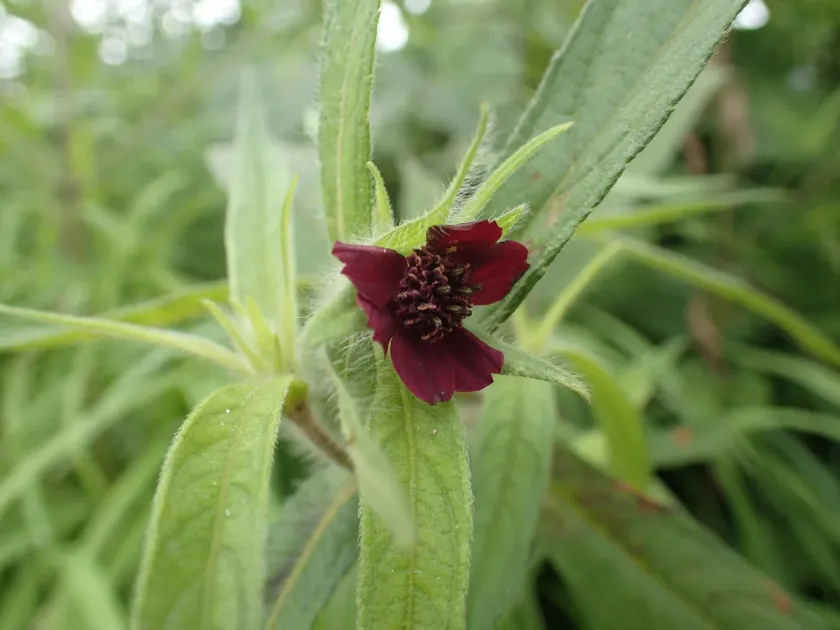
Description
Growing requirements
Aspilia kotschyi is a perennial herb belonging to the Asteraceae family, native to the tropical landscapes of Africa. It is widely recognized for its ecological importance and its medicinal properties within its natural habitat.
The crop thrives in well-drained, fertile soils with an ideal pH range for tropical vegetation. While it is hardy in poor soil conditions, optimal yields are achieved through soil enrichment with organic compost to provide essential nitrogen and minerals.
Climate requirements for this species are centered on tropical heat and sufficient solar radiation. Exposure to direct sunlight is crucial for the development of healthy stems and the accumulation of secondary metabolites in the foliage.
Morphologically, the plant features pubescent leaves and stems, which serve as a natural barrier against excessive moisture loss during high-heat periods. Its root system is deep and expansive, allowing the plant to survive in semi-arid environments.
In addition to its hardiness, the plant exhibits a robust growth pattern that allows it to recover quickly after environmental stress. Successful cultivation depends on managing soil moisture to ensure the plant remains hydrated without risking root rot.
Main diseases and pests
Fungal infections in the root zone are the primary threat to the crop, especially in areas with poor drainage or stagnant water. Implementing raised beds can mitigate these risks and ensure better aeration for the plant roots.
Insect pests, including various aphids and leaf-feeding larvae, can cause significant damage to the plant's vegetative parts. Routine scouting is recommended to identify early infestations and prevent the loss of yield before economic damage occurs.
Weed pressure remains a major challenge during the germination and establishment phases. Dense planting or the use of ground cover strategies can help shade out competing vegetation and protect the young seedlings.
Pathogen spread is often exacerbated by high humidity and poor air circulation within the canopy. Regular thinning or pruning of overcrowded sections helps maintain a healthy microclimate that inhibits mold and bacterial growth.
Managing the plant's health requires strict adherence to hygiene protocols in the field. Removing infected debris immediately after discovery helps maintain the overall vitality of the plantation and prevents the spread of disease to neighboring plants.