
Aspilia bussei
Aspilia bussei
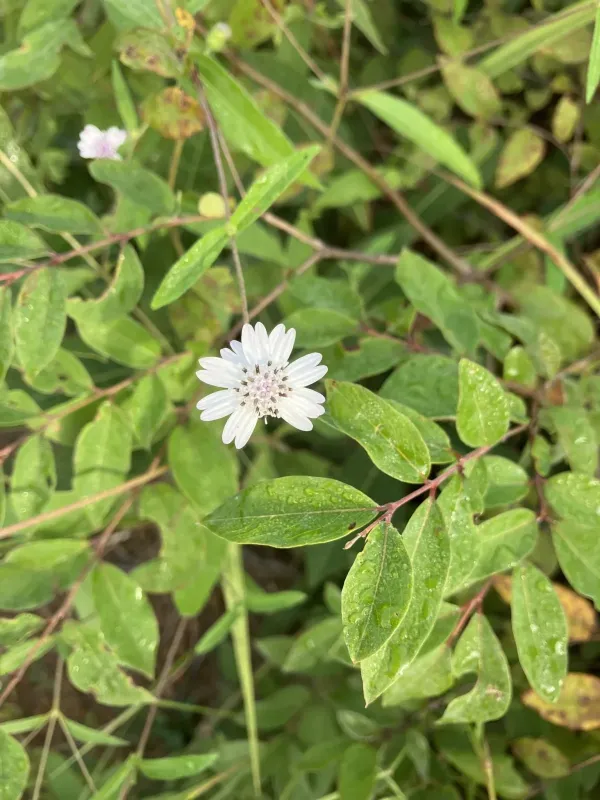
Description
Growing requirements
Aspilia bussei is a perennial herbaceous plant belonging to the large and diverse Asteraceae family. Its native range is primarily located in East Africa, where it thrives in savannah ecosystems and light woodland areas, showing high adaptation to local environmental factors.
The crop demands well-drained, fertile soil with a neutral or slightly acidic reaction. It is highly valued for its drought tolerance, allowing it to survive in regions with significant seasonal rainfall variability, which is a major advantage for local sustainable farming.
Full sun exposure is a critical requirement for the vigorous growth of Aspilia bussei. The plant requires tropical climate conditions, as it lacks cold hardiness and cannot survive frost, making it strictly a warm-climate agricultural crop.
Morphologically, the plant is a subshrub with stiff, textured leaves and vibrant flower heads typical of the Heliantheae tribe. Its robust root system allows it to efficiently access moisture stored deep in the subsoil, which is vital for survival during dry spells.
The main agricultural use for this plant revolves around its secondary metabolites, which exhibit significant medicinal properties. Traditionally used for wound healing and anti-inflammatory applications, the plant is currently being explored for its potential in commercial phytomedicine.
Main diseases and pests
The most common disease threats for Aspilia bussei include fungal infections such as mildew, which thrive in high-humidity conditions with poor ventilation. Implementing proper plant spacing and ensuring good airflow are essential strategies for mitigating disease outbreaks.
Pest pressures are typically posed by chewing insects and various sap-sucking pests like aphids that target the succulent foliage. Monitoring the plant population and utilizing integrated pest management techniques are recommended to maintain high yield quality and plant health.