
Aspilia buphthalmiflora
Aspilia buphthalmiflora
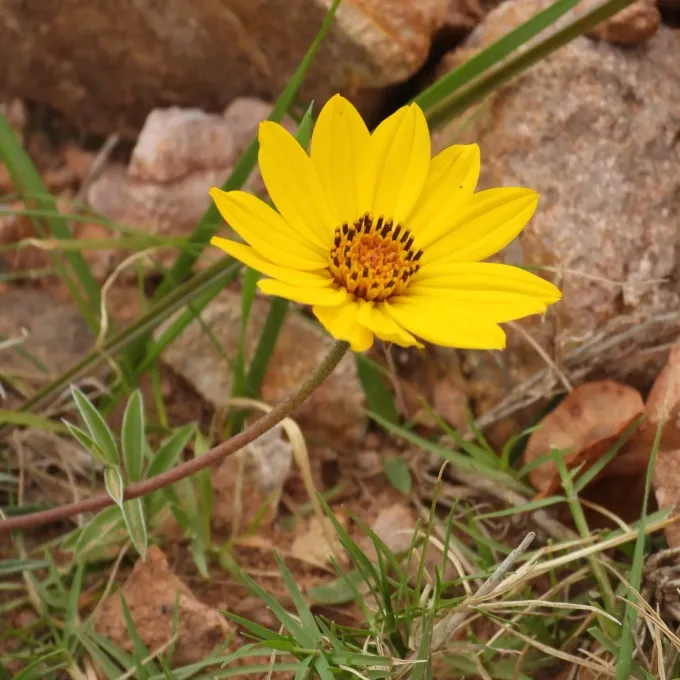
Description
Sowing dates
Sowing Aspilia buphthalmiflora is generally timed to coincide with the onset of the growing season to ensure adequate moisture levels. As a member of the Asteraceae family, the crop requires well-prepared, friable soil to ensure uniform germination and robust seedling emergence.
The optimal depth for planting seeds typically ranges from 1 to 2 centimeters. Proper seed placement is essential for maximizing the germination rate and establishing a strong initial root system that supports long-term development.
In commercial operations, precision seed drills are recommended to achieve consistent plant density. This uniformity simplifies mechanical maintenance and optimizes the utilization of nutrients and light across the entire agricultural field.
Post-emergence, field monitoring is vital to ensure that density is not excessive, as overcrowding can lead to suppressed growth. Thinning the seedlings allows the remaining plants to develop their full potential in terms of biomass production.
Successful sowing also relies on monitoring soil temperature and moisture levels. A well-managed start provides the foundation for subsequent crop stages, significantly increasing the overall efficiency of the agricultural process.
Growing requirements
Aspilia buphthalmiflora thrives in sunny environments, making full exposure to direct sunlight a key requirement for its successful cultivation. Plants grown in shaded areas often exhibit slower growth rates and reduced overall yield of vegetative mass.
The ideal soil profile for this crop consists of well-drained loamy soils. Good aeration is critical, as stagnant water can lead to root rot and other physiological stressors that significantly weaken the plant's health.
Temperature management is another crucial aspect, with the plant performing best in temperate conditions ranging from 20 to 28 degrees Celsius. While it possesses moderate drought tolerance, irrigation is beneficial during prolonged dry spells to maintain productivity.
Nutrient management involves applying balanced fertilizers, emphasizing nitrogen for leaf growth and phosphorus for root development. Regular monitoring of nutrient levels ensures that the crop receives essential elements exactly when needed during its rapid growth phase.
Cultural practices such as inter-row weeding and soil cultivation are necessary to keep the field free of competitive species. Maintaining a clean field environment allows the crop to dedicate its energy entirely to biomass development.
Main diseases and pests
Fungal infections, particularly during periods of high humidity, pose a significant threat to Aspilia buphthalmiflora. Diseases such as powdery mildew can spread quickly, necessitating the use of fungicides if preventative measures are insufficient.
Insect pests, including aphids and leaf-eating beetles, often target the young foliage of the plant. Integrated pest management strategies, combining biological controls and selective insecticides, are essential for maintaining healthy fields.
Root-damaging larvae, such as wireworms, can occasionally affect stand density. Crop rotation and proper field sanitation help to keep pest populations below the economic injury level, ensuring the longevity of the perennial stand.
Monitoring the foliage for discoloration or abnormal growth is a standard practice for early disease detection. Rapid identification and management of small disease patches prevent widespread contamination across the plantation.
Overall plant health is highly dependent on adhering to established agronomic standards. By minimizing environmental stress and maintaining proper soil hygiene, growers can effectively mitigate most common threats to the crop.