
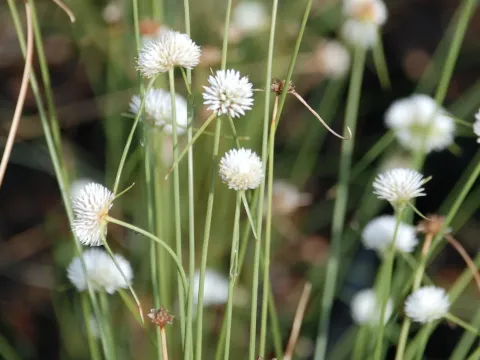
Ascolepis
Ascolepis
Ascolepis is a genus of herbaceous plants belonging to the Cyperaceae family, commonly known as the sedge family. These plants are primarily native to tropical regions of Africa and parts of South America, thriving in diverse wetland habitats.
What the section contains

Ascolepis
Botanically, plants in this genus are identified by their distinctive inflorescences, often compact and head-like. Depending on the species, they can grow as annuals or perennials, adapting their lifecycle to the availability of water in their environment.
The climate requirements for Ascolepis are strictly tropical, necessitating warm temperatures and high moisture levels throughout the growing season. Frost sensitivity is a major limiting factor for its distribution and cultivation in temperate regions.
Regarding soil preferences, the plant excels in moist, acidic to neutral soil types. It is particularly well-adapted to periodically waterlogged areas such as swamps and marshes, where it contributes to the local biomass production.
In terms of agricultural utility, Ascolepis is primarily utilized as forage in pasture systems. Its ability to regrow after grazing makes it a useful component of livestock management in regions where high-intensity forage crops struggle to grow.
The primary threats to Ascolepis include fungal pathogens that thrive in the consistently high humidity characteristic of its native habitat. Root and stem rots are the most common issues that can affect plant health and productivity.
Insects such as locusts and various lepidopteran larvae can pose a threat by feeding on the foliage. Their impact is typically observed during periods of peak population density in tropical savannahs and grasslands.
Viral infections may occur, though they are less frequent and usually transmitted by sap-sucking insects like aphids. Management of these pests is essential to prevent significant decline in forage quality.
Competition from invasive plant species is another significant factor that can displace Ascolepis in its native range. When native vegetation is overgrazed, the plant may lose its competitive advantage against aggressive weed species.
Agro-management strategies for controlling threats focus on rotational grazing and maintaining appropriate water levels. By ensuring the plants are not overly stressed, their natural resistance to endemic pests and diseases remains optimal.