
Berggren's sedge
Carex berggrenii
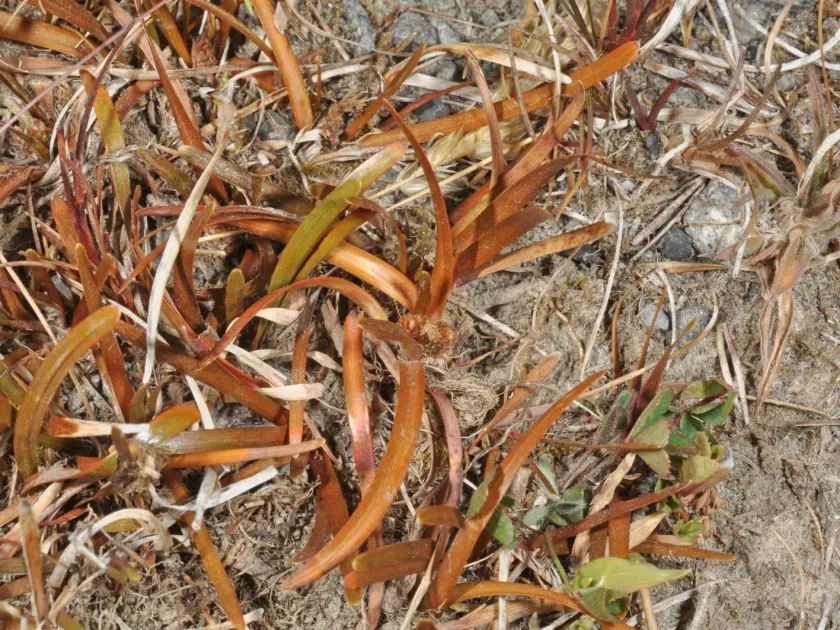
Description
Growing requirements
Berggren's sedge (Carex berggrenii) is a perennial herbaceous plant belonging to the Cyperaceae family. It is native to New Zealand, where it naturally inhabits moist, open habitats, often found in alpine or sub-alpine environments.
Botanically, it is a low-growing, tufted plant that forms compact mats of foliage. Its most notable feature is the colour of its leaves, which range from olive-green to distinct shades of bronze and copper, adding significant ornamental value to a garden setting.
To cultivate this species successfully, it is essential to provide well-drained, fertile soil that retains moisture without being waterlogged. It thrives best in full sun to partial shade, which encourages the development of its rich, characteristic leaf pigmentation.
Carex berggrenii is relatively hardy but benefits from protection during severe winter frosts. Good airflow around the plant is necessary to maintain overall health and prevent the buildup of excess humidity, which can be detrimental to the root system.
The primary use of Berggren's sedge is ornamental. It is widely valued in landscaping for its architectural form, particularly in rock gardens, along the edges of ponds, and as a low-maintenance ground cover in modern, minimalist garden designs.
Main diseases and pests
The main threats to the plant include fungal diseases, particularly those affecting the root zone during cold, wet winters. Adequate drainage is the most effective preventative measure to ensure the longevity of the plant and maintain its vitality.
In terms of pests, it is generally resistant but can occasionally be affected by aphids or spider mites, especially in drier environments. Regular monitoring and appropriate horticultural practices are sufficient to manage these risks and keep the plants healthy.