
Appalachian sedge
Carex appalachica
Description
Sowing dates
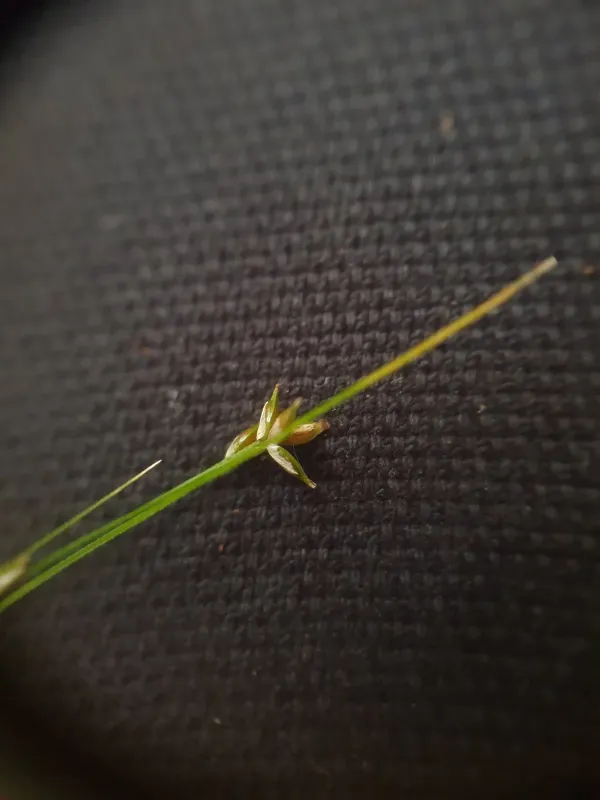
Appalachian sedge (Carex appalachica) is a fine-textured, perennial grass-like plant within the Cyperaceae family. Propagation is primarily achieved through seed sowing or the division of established clumps during the spring or early autumn months.
For best results with seed propagation, a period of cold-moist stratification for approximately 30 to 60 days is recommended. This simulates the natural winter conditions and significantly increases the germination rate when spring temperatures begin to rise.
Seeds should be sown on the surface or covered very lightly with a fine layer of soil, no more than 0.5 cm deep. Consistent moisture is crucial during the germination phase to ensure the young seedlings become established without drying out in the initial delicate stages.
When propagating by division, mature clumps should be lifted and separated into smaller sections, ensuring each piece has a healthy root system and at least three active shoots. This method is highly preferred for landscape projects where immediate coverage is required.
Spacing for individual plants usually ranges from 30 to 40 cm apart. Once planted, the area should be watered thoroughly to eliminate air pockets in the soil and support the root-to-soil contact necessary for vigorous early development.
Growing requirements
Appalachian sedge thrives in partial shade to full shade environments, reflecting its natural habitat in dry, deciduous woodlands. It is an ideal groundcover for areas where direct, harsh sunlight would be detrimental to less tolerant species.
The plant is highly adaptable to a variety of soil types, including sandy, loamy, and rocky soils, provided they offer adequate drainage. It prefers a slightly acidic to neutral soil pH, which mimics the nutrient cycling typical of its native Appalachian forest floor.
While mature plants exhibit moderate drought tolerance, they perform significantly better with consistent moisture throughout the growing season. In areas with prolonged dry spells, occasional deep watering will maintain the plant's lush, fountain-like appearance.
Cultural maintenance is relatively simple, requiring only an annual trimming of the foliage in early spring. Removing the previous year's growth allows the new foliage to emerge cleanly and prevents the accumulation of detritus in the center of the clump.
Fertilization is rarely necessary if the soil has adequate organic matter. If a boost is required, a light application of a balanced, slow-release fertilizer in early spring is sufficient to encourage healthy leaf production without promoting excessive, spindly growth.
Main diseases and pests
One of the primary benefits of using Appalachian sedge in the landscape is its exceptional resistance to common pests and diseases. The tough, silica-rich leaves make the foliage unpalatable to most herbivorous insects and mammals.
Root rot is the most significant threat to the health of the plant, typically resulting from poor soil drainage or prolonged standing water. Ensuring that the planting site has excellent drainage is the most effective preventative measure against fungal infections.
Though rare, aphids or other sap-sucking insects may occasionally appear on new, succulent growth. These are easily managed by manual removal or the application of insecticidal soaps, though chemical interventions are seldom needed for this hardy species.
Maintaining air circulation around the plants is essential for preventing foliar diseases, particularly in humid climates. Spacing plants appropriately prevents the dense canopy from trapping moisture, which otherwise could create a breeding ground for mildews.
Overall, Appalachian sedge is considered a low-maintenance, ecologically stable plant. By providing well-drained soil and avoiding over-fertilization, gardeners can maintain healthy, pest-free colonies of this native sedge for many years.