
Ascolepis protea
Ascolepis protea
Description
Growing requirements
Ascolepis protea is a perennial herbaceous plant belonging to the Cyperaceae family. It is primarily known as a significant component of tropical and subtropical grasslands in Africa, where it contributes to the overall stability of the local vegetation cover.
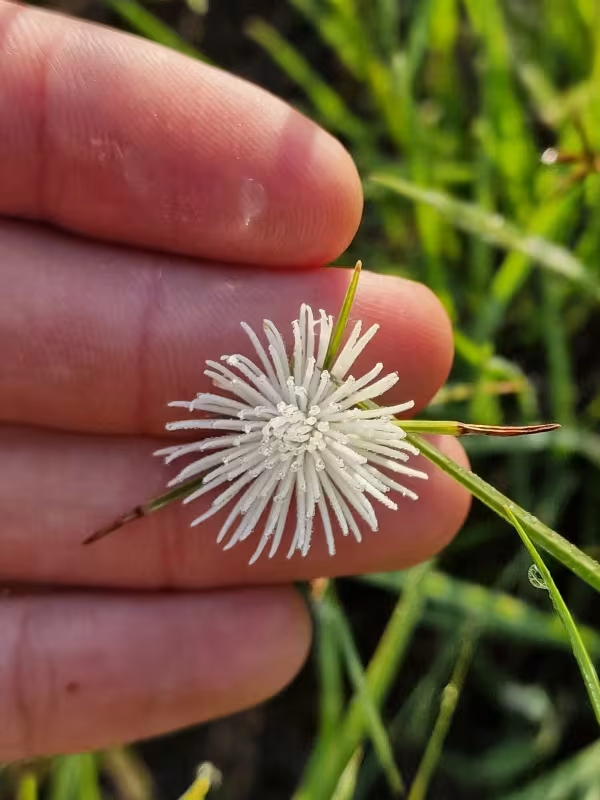
Botanically, the species is characterized by its tufted growth habit and dense root systems that help bind the soil. The leaves are typically narrow and linear, while the unique flower heads, which resemble the Protea genus, provide the specific name for the plant.
The geographic distribution of Ascolepis protea is centered in regions with marked wet and dry seasons. It is highly adapted to temporary waterlogging and flooding, making it a key species in the ecology of seasonally inundated savannahs and floodplain meadows.
In terms of soil requirements, this plant prefers loamy to sandy substrates that possess adequate moisture-retention capacities. It is a light-demanding species and thrives best in open habitats where competition for solar radiation from shrubs or trees is minimal.
Agricultural use of Ascolepis protea is largely focused on natural grazing systems. It serves as a reliable forage plant for cattle in rangelands, especially during the early stages of the growing season when the foliage is soft and provides essential nutritional value.
Main diseases and pests
The primary threats to Ascolepis protea include various fungal pathogens that thrive in humid environments. Rust and smut diseases are known to affect members of the Cyperaceae family, potentially reducing the biomass output and overall pasture quality.
Insect pests such as grasshoppers and caterpillars can cause significant defoliation during population outbreaks. While the presence of silica in the leaf tissues offers a certain degree of natural defense, heavy infestations can still severely impact the growth cycle.
Overgrazing constitutes a critical threat to the long-term sustainability of the species. Constant trampling by livestock damages the root structure and the surrounding soil surface, which often results in the loss of plant vigor and increased soil erosion.
Competition from invasive species is another major concern. As the environmental balance shifts, non-native or aggressive weeds can easily colonize the habitats of Ascolepis protea, eventually leading to its displacement from its traditional range.
Human activities, such as landscape drainage for agricultural conversion, pose a fundamental threat to the habitat of this moisture-loving species. Maintaining natural hydrological cycles is essential for the preservation of its populations in the wild.