
Anthocleista vogelii
Anthocleista vogelii
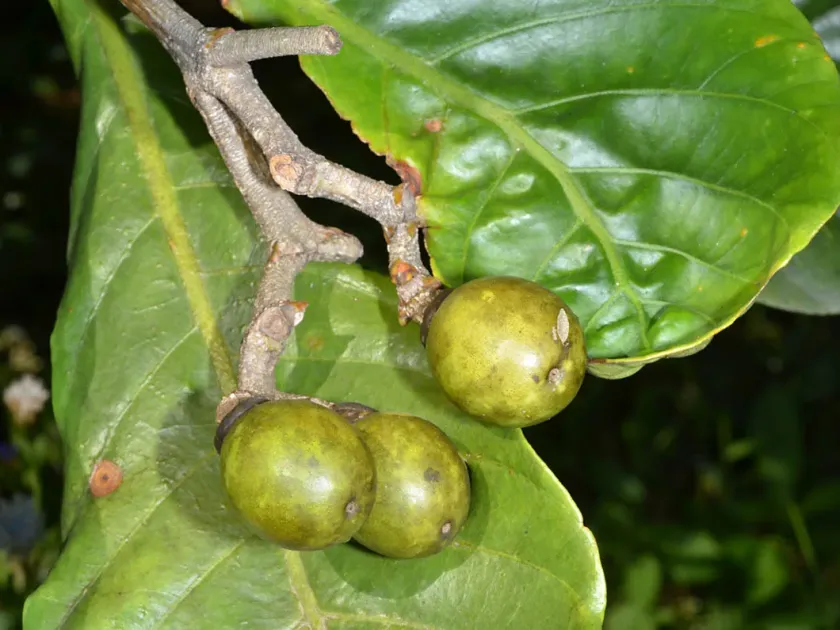
Description
Sowing dates
Anthocleista vogelii propagation is typically carried out using seeds, which require high humidity and warmth to germinate successfully. In natural ecosystems, birds facilitate seed dispersal, but for cultivation, nursery-grown seedlings are the preferred method for establishing uniform plantations.
The optimal sowing period aligns with the start of the rainy season to provide consistent moisture for root establishment. Utilizing specialized containers in the nursery stage allows for better management and protects young root systems until the plant is ready for field transplanting.
Pre-sowing treatment of seeds is recommended to break dormancy and ensure a higher germination rate. Young seedlings are sensitive to extreme temperature variations, so maintaining a stable microclimate during the initial phase is crucial for the success of the operation.
Planting density should be adjusted based on the specific objectives, such as timber production or reforestation. Ensuring proper spacing allows each tree to access adequate sunlight, which is essential for healthy crown development and strong stem growth.
Shade management is vital during the first few months of growth. Providing partial shade mimics the forest understory, helping seedlings adapt gradually to the environment and preventing heat stress that could stunt early development.
Growing requirements
Anthocleista vogelii is a fast-growing tropical tree belonging to the Gentianaceae family. It naturally thrives in areas with consistently high temperatures and significant annual rainfall, making it well-suited for humid forest climates.
The species prefers deep, nutrient-rich soils that retain moisture while maintaining good aeration. While it can tolerate short periods of waterlogging, well-draining soil remains the standard for maximizing growth rates in commercial plantations.
As a light-demanding species, this tree requires sufficient direct sun exposure as it matures. Proper site selection ensures that young trees are not suppressed by larger vegetation, allowing them to allocate resources effectively toward rapid height gain.
Agrotechnical management includes periodic applications of organic amendments to boost biomass production in the early stages. Monitoring soil pH is also recommended to ensure the bioavailability of micronutrients necessary for the development of quality wood.
Regular sanitation pruning is an essential part of plantation maintenance. Removing dead or overlapping branches improves airflow through the canopy, which significantly reduces the risk of fungal infections in humid tropical settings.
Yield
The primary economic value of Anthocleista vogelii lies in its timber, which is highly regarded for its rapid growth cycle and structural applications. Efficient management allows for shorter rotation periods compared to other native forest species.
The bark and leaves are frequently harvested for medicinal use, as they contain biologically active compounds. Sustainable harvesting practices are critical to ensure that the trees remain healthy and capable of continued growth after the harvest of specific plant parts.
Total yield is highly dependent on plantation maintenance, including weed control and nutrient management. Data shows that optimized spacing and consistent care can lead to a steady and profitable supply of timber for local and regional markets.
By-products of the harvest, such as green waste, are often composted and returned to the soil as organic fertilizer. This circular approach minimizes waste and contributes to long-term soil fertility, supporting the health of subsequent planting cycles.
Genetic selection of the planting material significantly influences productivity. Investing in high-quality seeds or clones ensures that the plantation reaches its full potential, resulting in uniform growth and better-quality timber at the end of the rotation period.
Main diseases and pests
Fungal diseases are the primary threat to Anthocleista vogelii, particularly when air circulation within the plantation is restricted. Infections can affect leaf health, leading to decreased photosynthetic capacity and slower overall growth rates.
Pest populations that target young shoots and stems must be monitored closely to prevent significant damage. Implementing integrated pest management strategies helps control these threats without the need for excessive chemical interventions.
Bacterial infections often present as leaf spots and can spread rapidly under high-humidity conditions. Proactive measures, such as immediate removal of affected plant material, are necessary to prevent localized outbreaks from turning into plantation-wide issues.
Root rot occurs primarily in poorly drained areas where water tends to stagnate. Proper site preparation, including the installation of drainage channels where necessary, is the most effective way to prevent these soil-borne pathogens from impacting the plantation.
Maintaining hygiene in the nursery and the field is crucial. Sterilizing tools between pruning sessions and ensuring regular inspections allow for early detection of potential threats, ensuring that the health of the entire crop is preserved over time.