
Anthocleista djalonensis
Anthocleista djalonensis
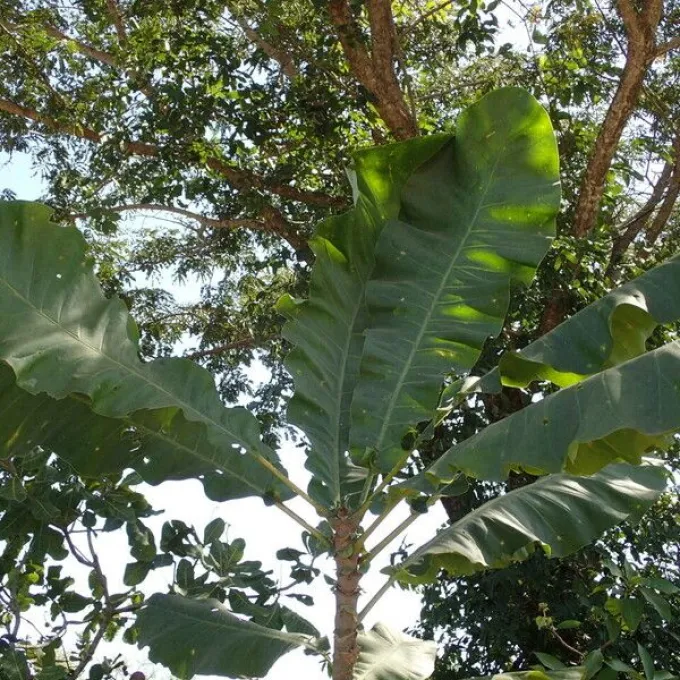
Description
Sowing dates
Propagation of Anthocleista djalonensis is primarily carried out through seeds in nursery conditions. Seeds require specific pre-treatment and stratification due to a deep dormancy period common in many tropical species.
The optimal time for sowing in substrates aligns with the onset of the rainy season, ensuring high germination rates. The use of a lightweight sandy-humus substrate significantly accelerates the emergence of seedlings.
Transplanting young seedlings to their permanent location is performed when the plant reaches a height of 25–30 centimeters. Providing partial shade in the first weeks post-transplant is essential to prevent heat stress on the tender leaves.
Planting density on plantations depends on the objectives; forestry projects typically use 3x3 meter spacing, while those focused on medicinal harvest extend the distance to 5 meters between individuals.
Consistent irrigation during the first two years is a critical factor for establishing a robust root system and promoting the active growth of the plant's aerial parts.
Growing requirements
Anthocleista djalonensis is a member of the Gentianaceae family, adapted to the humid tropical forests of West and Central Africa. The tree prefers high-temperature environments without drastic fluctuations.
The culture requires loamy or sandy-loam soils with an efficient drainage system. The plant is highly sensitive to waterlogging, which quickly leads to root collar rot and eventual mortality.
High light levels are preferred, although the tree can tolerate partial shade during its juvenile stage. Mature specimens are heliophilic and require open spaces for efficient photosynthesis.
The soil pH should ideally remain between 5.5 and 6.5, reflecting the acidity of typical ferrallitic tropical soils. High atmospheric humidity is an essential condition for maintaining an intense metabolic rate.
The plant responds well to organic fertilization using compost or well-rotted manure, which enhances soil structure and promotes the development of beneficial microbiota in the rhizosphere.
Yield
The economic value of Anthocleista djalonensis lies in the harvesting of bark, leaves, and roots, which contain alkaloids and other bioactive compounds. Precise industrial yield data per hectare is scarce as the species is frequently collected from the wild.
Under controlled cultivation, the harvest of valuable bark can typically begin 5–7 years after planting. The tree is capable of reaching significant dimensions, allowing for partial bark removal without causing the plant's death.
Leaf biomass can be collected more frequently, often once or twice a year depending on vegetation rates. Proper agrotechnical management can increase biomass output by 20–30% compared to natural environments.
Seed yield for population reproduction is generally stable; one mature tree can produce a substantial amount of viable seed material annually.
Experts recommend selective pruning or branch trimming, which stimulates the growth of lateral shoots and enhances the accumulation of phytochemicals within the tree tissues.
Main diseases and pests
The primary threats to the crop include fungal diseases that proliferate in conditions of prolonged rainfall and high humidity. Bark rot can lead to the loss of valuable medicinal raw materials.
Tropical forest pests, such as leaf-cutter ants and certain species of weevils, can inflict mechanical damage on young shoots, slowing growth and creating entry points for secondary infections.
Improper agrotechnical practices, particularly excessive nitrogen fertilization, may lead to overgrowth, resulting in soft, weak timber that is more susceptible to xylophagous insects.
Competition with fast-growing weedy lianas in the early years can suppress the culture, potentially leading to seedling mortality. Regular weeding of the root zones is an essential protective measure.
To control pests and diseases in plantation settings, biological control methods are recommended to avoid the use of aggressive chemical pesticides that could degrade the quality of pharmaceutical ingredients.
Harvesting
Bark harvesting is conducted by ringing or removing longitudinal strips from specific trunk areas. It is crucial to leave undamaged bark sections to ensure the tree's survival and subsequent tissue regeneration.
Leaf collection is performed manually, preferably during the morning hours when the concentration of active substances is at its peak. After harvesting, raw materials must be dried immediately in the shade to prevent mold.
Roots are harvested during plantation renewal or thinning operations. Root harvesting requires thorough cleaning from soil and washing in running water before further processing.
To ensure the preservation of valuable components, raw materials should be transported in ventilated containers that prevent overheating and the sweating of the plant mass.
Storage of the collected products is carried out in dry, dark rooms protected from direct sunlight. Proper processing allows the retention of pharmacological properties for 12–18 months.