
Anthocleista nobilis
Anthocleista nobilis
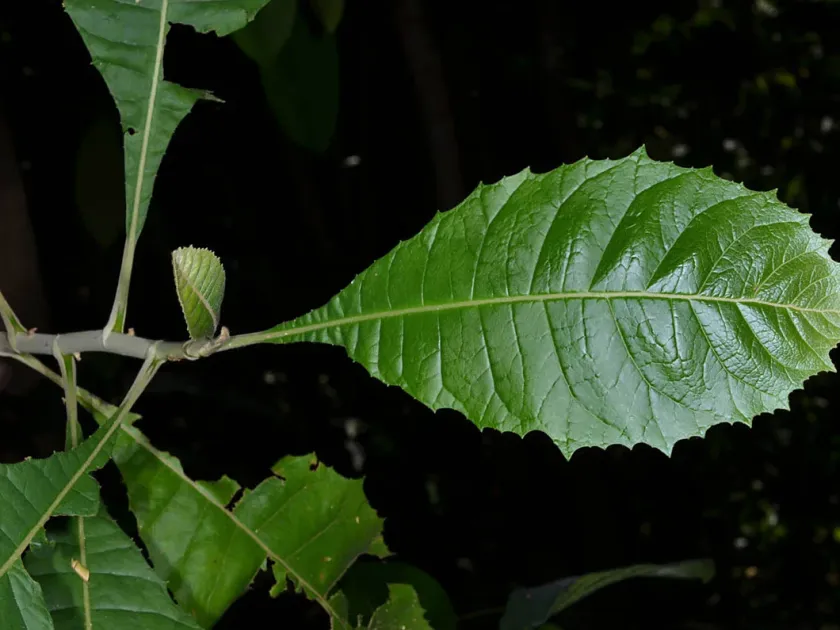
Description
Growing requirements
Anthocleista nobilis is a tropical tree belonging to the Gentianaceae family, known for its significant size and distinctive foliage. Native to the humid tropical forests of West and Central Africa, it typically develops as a tall canopy tree, reaching heights of up to 20 meters.
The climate requirements for this species are strict, as it thrives only in equatorial environments with high, consistent temperatures and substantial annual rainfall. Any significant deviation from these conditions, such as prolonged cold or drought, will result in stunted growth and plant stress.
Regarding soil preferences, the plant requires deep, well-draining, and nutrient-rich soils. It is highly intolerant of waterlogged conditions, which necessitates the selection of sloping terrain or the implementation of professional drainage systems in intensive cultivation settings.
Agronomic management focuses on optimizing light exposure. While young saplings may benefit from partial shade to establish their root systems, mature trees require full sunlight for optimal biomass production. Proper spacing between trees is crucial to prevent competition for resources and to maintain health.
Economically, Anthocleista nobilis is valued for both its timber and its chemical properties. Its wood is lightweight and easy to process, making it suitable for local manufacturing, while various parts of the plant are harvested for traditional medicinal applications, particularly in treating parasitic and inflammatory diseases.
Main diseases and pests
The primary biological threats to Anthocleista nobilis include various fungal pathogens that flourish in high-humidity tropical environments. Root rot remains the most common issue, often triggered by poor soil aeration and excessive stagnant water near the base of the tree.
Insect pests, particularly wood-boring beetles, represent a major concern for the timber industry. These insects damage the inner layers of the trunk, leading to structural weaknesses and creating entry points for opportunistic infections that can compromise the entire plant’s vitality.
Poor orchard management, such as overcrowding, significantly increases the risk of disease spread. Maintaining adequate airflow through the plantation is a critical preventive measure, as high humidity coupled with lack of ventilation creates an ideal environment for pathogen proliferation.
Phytosanitary measures are essential for the long-term survival of the crop. Regular inspections should be conducted to identify early signs of infestation, with affected trees needing immediate isolation or removal to prevent the potential spread of pathogens to neighboring healthy individuals.
Sustainable cultivation also requires managing the surrounding ecosystem to promote natural predators of common tree pests. Chemical control measures should be avoided whenever possible to maintain the ecological balance and protect the medicinal efficacy of the plant parts harvested.