
Anthocleista inermis
Anthocleista inermis
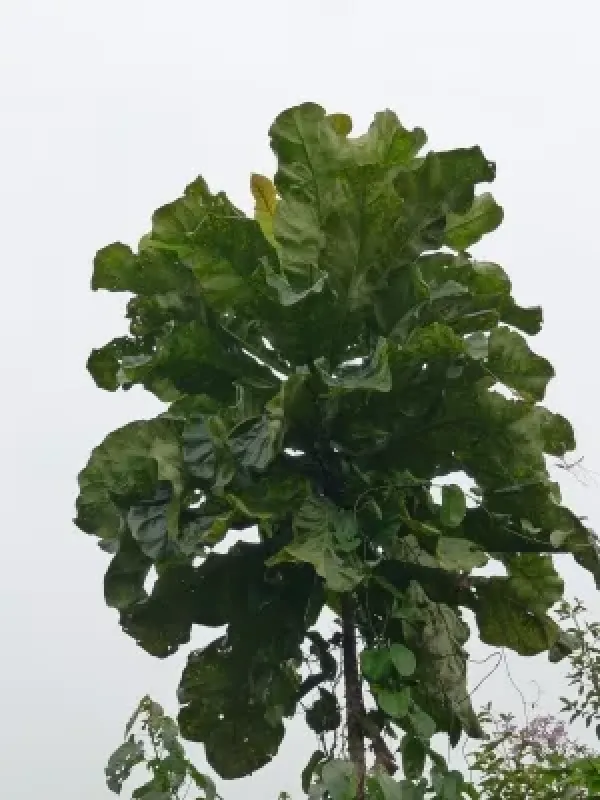
Description
Sowing dates
Propagation of Anthocleista inermis is primarily achieved through seeds, which require specific moist and warm conditions to ensure successful germination.
In forest nurseries, seeds are sown in containers with loose, nutrient-rich substrates, ensuring they are kept at temperatures between 25 and 30 degrees Celsius.
Seedlings should be transplanted into the field at the beginning of the rainy season to allow the root system to establish itself before the dry period.
The spacing for commercial plantations is typically maintained at 4 to 6 meters to allow sufficient room for the crown to develop as the tree matures.
Young plantations require careful weeding to prevent competition for essential nutrients, which is vital for accelerating the growth rate in the early years.
Growing requirements
Anthocleista inermis is a member of the Gentianaceae family, a tree native to the tropical forests of West and Central Africa, known for its rapid growth.
The plant thrives in deep, fertile, and well-drained soils, typically found in humid tropical ecosystems where moisture is consistently available.
It prefers full sun exposure, although saplings demonstrate a remarkable ability to tolerate partial shade under a canopy, resembling their natural forest habitat.
The species requires a climate with high humidity and consistent annual temperatures, avoiding areas prone to extreme temperature drops or prolonged drought.
Proper soil management, including the retention of organic matter, is crucial for maintaining the vigor and rapid growth rate of this tropical species.
Yield
The primary economic value of Anthocleista inermis lies in its timber, which is utilized for construction, furniture making, and local woodworking crafts.
Its wood is characterized by moderate density and ease of processing, making it a preferred choice for local artisans in its native regions.
Beyond timber production, various parts of the tree, including the bark and roots, are traditionally valued in local medicine for their pharmacological properties.
The maturation period for harvesting timber typically ranges from 15 to 25 years, depending on site quality and the level of silvicultural management.
Sustainable harvesting practices are essential to ensure the continued productivity and ecological health of the forest areas where this species is cultivated.
Main diseases and pests
Like many tropical tree species, Anthocleista inermis is susceptible to fungal pathogens that can develop if the planting density is too high or airflow is restricted.
Wood-boring insects represent a significant threat, as they tunnel into the trunk and degrade the quality of the timber, making it unsuitable for commercial use.
Root rot, often caused by waterlogging or poor drainage in the soil, is a common problem that can result in the loss of trees if not managed properly.
Effective pest management involves maintaining appropriate spacing and ensuring that plantation sites have excellent natural drainage to prevent stagnant water.
Regular monitoring for signs of infestation and the removal of severely affected trees are critical practices to mitigate the spread of diseases within the plantation.