
Corn chamomile
Anthemis arvensis L.
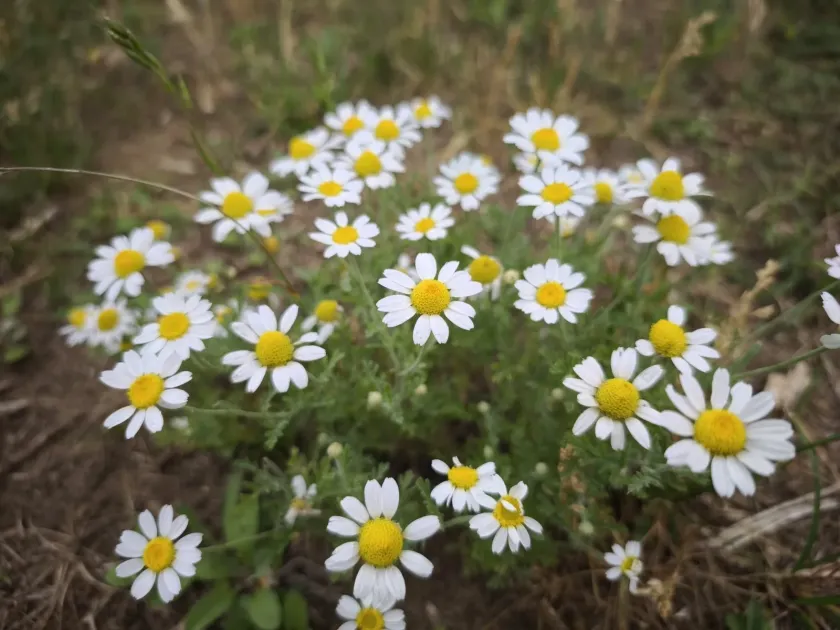
Description
Growing requirements
Corn chamomile, botanically known as Anthemis arvensis, is a herbaceous annual plant belonging to the Asteraceae family. While often considered a weed in arable fields, it is a significant species in terms of botanical diversity and field ecology.
The plant thrives in open, sunny environments and is typically found in cultivated fields, fallow lands, and disturbed soils. It shows a preference for well-drained, nutrient-rich soils but is known for its ability to adapt to a wide variety of soil textures.
Climatically, it is well-suited to temperate regions, exhibiting high resilience to fluctuating moisture levels. Its seeds are capable of remaining dormant in the soil for extended periods, waiting for optimal germination conditions, which usually occur in early spring.
Agricultural techniques that favor the management of this species include maintaining dense crop stands, which outcompete the chamomile for sunlight. Being a light-demanding plant, it struggles to grow in shaded, high-canopy environments.
Proper soil management, including the maintenance of optimal pH levels, is crucial. The species is often less competitive in highly productive, well-tended crops where modern agricultural practices provide better ground cover and nutrient management.
Main diseases and pests
Corn chamomile is susceptible to various fungal pathogens, such as powdery mildew and rust, which can negatively affect its vigor. However, it can also act as a host for pests that may migrate to commercial crops in the Asteraceae family.
Insects like aphids and various species of weevils are commonly associated with the plant. These pests can cause localized damage and potentially transmit viruses that affect the development of nearby agricultural vegetation.
Effective management strategies focus on integrated pest management (IPM). This includes mechanical weeding during the early stages of development, specifically before the plant reaches the flowering stage to prevent seed dispersal.
Chemical control via selective herbicides is used when the weed population reaches an economic threshold. It is essential to apply treatments while the plants are in the rosette stage to maximize control efficiency and minimize chemical usage.
Crop rotation remains the most sustainable method of control. By rotating competitive, heavy-feeding crops with light-sensitive species, farmers can drastically reduce the seed bank of Anthemis arvensis over several agricultural cycles.