
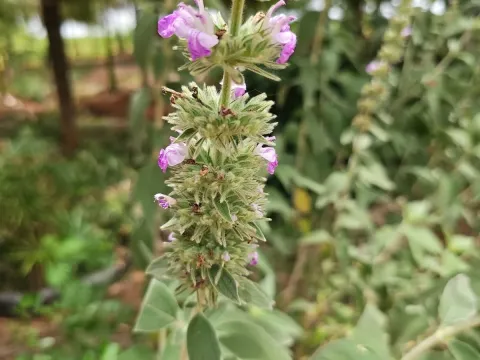
Anisomeles
Anisomeles
Anisomeles is a genus of herbaceous plants and shrubs belonging to the Lamiaceae family. The most prominent species, such as Anisomeles indica, are highly valued for their aromatic properties and traditional medicinal applications.
What the section contains

Anisomeles
Planting typically begins in the spring season when soil temperatures remain consistently above 20 degrees Celsius. In tropical climates, sowing can occur year-round provided that adequate moisture is maintained.
Seeds should be sown at a shallow depth of approximately 0.5 to 1 cm. Because the seeds are tiny, a fine-textured soil surface is necessary to ensure optimal germination rates and prevent burial too deep for the emerging sprouts.
Row planting with a spacing of 40 to 50 cm is recommended to allow for proper airflow and access during maintenance. This layout prevents the plants from becoming overcrowded, which is essential for uniform growth.
Using a nursery tray for starting seedlings is a practical approach in cooler regions, allowing the plants to establish a robust root system before being transplanted into the open field once weather conditions stabilize.
Anisomeles thrives in full sun conditions, which is crucial for the development of essential oils. Exposure to direct sunlight for at least 6–8 hours daily is highly recommended for achieving optimal biomass production.
The ideal soil type is well-drained, sandy loam or loamy soil with a near-neutral pH level. The plant is sensitive to waterlogging, so ensuring excellent drainage is a top priority for any commercial grower.
Watering requirements are moderate; however, consistent moisture is beneficial during the early vegetative stages. Once the plants are established, they demonstrate a fair degree of drought tolerance, though yields may drop if water is heavily restricted.
Fertilization with balanced NPK compounds encourages healthy growth. Applying organic compost before planting significantly improves soil structure and nutrient availability for the growing season.
Maintaining a temperature range of 22 to 30 degrees Celsius is ideal. The plant is sensitive to cold temperatures, and prolonged exposure to chilling will cause stunted development and may eventually lead to plant death.
Common pests include aphids and spider mites, which are particularly troublesome during hot and dry spells. Regular scouting and early intervention with insecticidal soaps or biological controls are highly recommended.
Fungal diseases such as powdery mildew may affect the foliage, especially in humid and stagnant air conditions. Improving spacing and ensuring proper ventilation are the best cultural methods to mitigate this risk.
Root rot is a significant danger if drainage is poor. To prevent this, avoid overwatering and never plant in low-lying areas where water tends to accumulate after heavy rains or irrigation cycles.
Weed management is vital during the first few weeks after planting. As a relatively slow grower in its early stages, Anisomeles needs to be protected from faster-growing weeds that compete for sunlight and soil nutrients.
Crop rotation is an essential agronomic practice for Anisomeles. Avoid planting in fields previously occupied by other Lamiaceae species to reduce the accumulation of host-specific pathogens in the soil.
Harvesting is best timed at the onset of flowering. This stage ensures that the essential oil content and aromatic compounds are at their peak, making the harvest most valuable for processing.
The stems should be cut about 10–15 cm above the ground. This partial harvesting technique allows the plants to regenerate and potentially provide a second harvest later in the growing season.
Immediate processing is required to preserve the volatile oils. After harvesting, the plant material should be moved to a drying facility as quickly as possible to prevent degradation caused by heat and sun exposure.
Air-drying in a cool, well-ventilated, and shaded area is the preferred method. Avoid high-heat mechanical drying, which can strip the plant of its delicate fragrances and medicinal properties.
Once fully dry, the leaves and flowers are separated from the woody stems, cleaned, and stored in airtight containers. This final step protects the harvest from moisture and pests, ensuring product quality for market.