
Anisomeles indica
Anisomeles indica
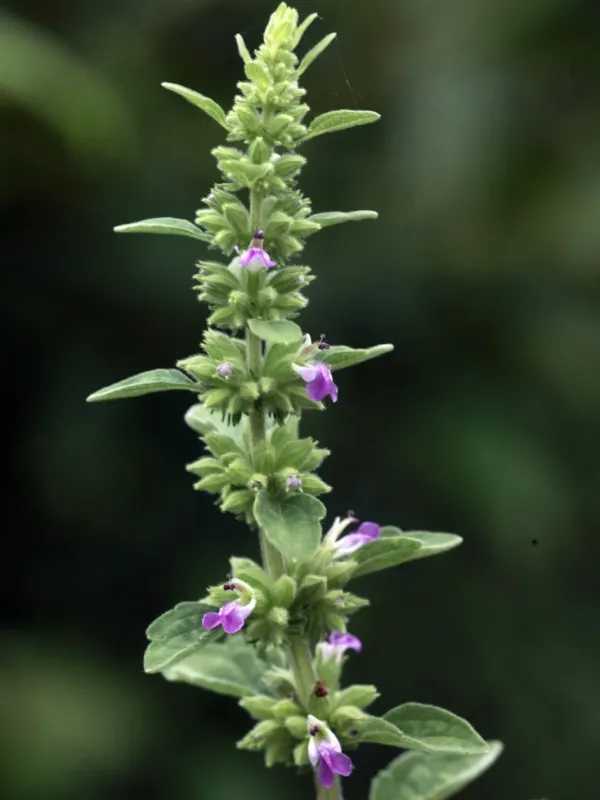
Description
Sowing dates
Anisomeles indica is a member of the Lamiaceae family, known for its aromatic properties and potential in industrial crop production. Propagation is typically performed by seeds sown in well-prepared, moist soil, ideally at the beginning of the tropical spring season.
Seeds require a shallow sowing depth of approximately 1–2 centimeters to ensure successful germination. Consistent moisture and a steady temperature between +22 and +28 degrees Celsius are essential for uniform sprout development across the field.
In regions with cooler climates, starting seeds in greenhouses or containers 4–6 weeks before the final frost date is a recommended strategy. This ensures that seedlings are robust enough to handle the transplanting process into open ground.
Spacing between plants should be maintained at 45–60 centimeters to provide adequate airflow. Proper spacing prevents the overcrowding of plants, which is crucial for maintaining the plant's health and the concentration of its valuable essential oils.
Initial irrigation during the early growth stages is vital to establishing a strong root system. Once established, the crop demonstrates reasonable resilience, but supplemental watering during extended dry periods remains necessary for achieving high-quality biomass.
Growing requirements
Anisomeles indica thrives in sunny, open locations, as direct sunlight is necessary for the synthesis of volatile compounds. The crop performs best in fertile, well-draining soils with a pH ranging from neutral to slightly acidic.
Water management is critical; the soil must be well-drained to prevent root rot, which is the most common cause of failure in this crop. Sandy loam or loam soils rich in organic matter provide the best environment for healthy growth.
Climate requirements include high warmth and long growing seasons, as the plant is sensitive to frost and cold weather. It performs best in regions characterized by a tropical or sub-tropical climate with reliable rainfall patterns.
Fertilization should be managed carefully, with a focus on organic compost or balanced nitrogen applications during the vegetative stage. Over-fertilization can lead to excessive leaf growth at the expense of aromatic oil quality, so moderation is key.
Adaptability is a key trait of this plant, but yield quality is significantly higher when protection from strong, drying winds is provided. Proper windbreaks or strategic planting site selection can mitigate the negative impact of harsh environmental conditions.
Yield
The primary economic use of Anisomeles indica lies in its essential oil content, which is extracted via steam distillation. These oils are sought after by the pharmaceutical and cosmetic industries for their antiseptic and anti-inflammatory properties.
Yield capacity is largely dependent on the agricultural techniques employed, including harvest timing and soil fertility. In optimal conditions, commercial growers can achieve consistent yields of high-quality biomass suitable for herbal extract production.
Traditionally, the plant has been used in folk medicine as an expectorant and febrifuge. The presence of secondary metabolites like flavonoids and terpenoids makes it a significant candidate for further research and development in herbal product markets.
Beyond medical applications, the plant is used in the creation of dietary supplements and various aromatherapy products. Its unique sensory profile makes it a valuable additive in complex herbal formulations.
Economic viability is enhanced when processing facilities are located near the cultivation sites. This proximity ensures that the volatile aromatic oils remain intact and are not lost during long-distance transportation of raw plant material.
Main diseases and pests
Fungal diseases, often triggered by excessive soil moisture and poor ventilation, represent the primary threat to plantation health. Implementing a rigorous irrigation schedule and maintaining proper plant spacing are effective preventive measures.
Pests, such as aphids and spider mites, can damage foliage and reduce the plant's photosynthetic capacity. Integrated pest management, focusing on biological controls, is highly recommended to maintain the purity and quality of the medicinal harvest.
Powdery mildew may occur during periods of high humidity and temperature fluctuations. Effective control involves prompt removal of infected plant parts and ensuring that the field is well-ventilated to prevent the spread of spores.
Weed management is crucial during the early stages of growth, as weeds compete for nutrients and sunlight. Keeping the plantation weed-free encourages stronger plant development and reduces the risk of pest infestation.
Regular field inspections allow for the early detection of issues, which is critical for successful crop management. Maintaining a healthy field prevents the need for heavy chemical intervention, thus ensuring an environmentally friendly product.
Harvesting
Harvesting is ideally performed during the peak flowering stage, as this is when the concentration of bioactive compounds and essential oils is at its highest. Delayed harvesting can lead to a decrease in the quality and quantity of the oils.
Stems are cut with sharp, sterilized tools about 10–15 centimeters above the ground. This method promotes secondary growth and allows for multiple cuts throughout the growing season in optimal environmental conditions.
Immediately after cutting, the material should be processed or dried in shaded, well-ventilated areas. Direct sunlight should be avoided during drying to prevent the degradation of heat-sensitive aromatic compounds.
Proper sorting and cleaning are essential to ensure the harvested material is free from dirt, debris, or diseased leaves. High-quality raw material is a prerequisite for a premium end product, whether used for oils or dry herbal goods.
Effective post-harvest logistics ensure the crop's long-term shelf life and marketability. By adhering to standardized harvesting protocols, growers can ensure consistency and reliability in their agricultural output.