
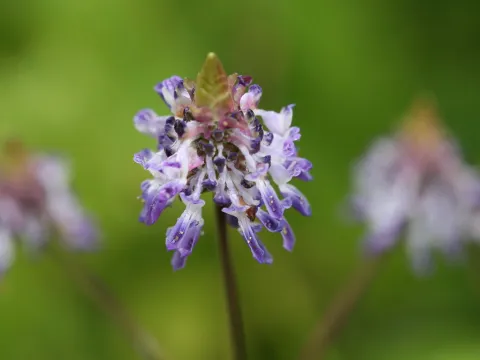
Anisochilus
Anisochilus
Anisochilus is a genus of plants belonging to the Lamiaceae family. These are typically perennial or annual herbaceous plants native to the tropical regions of India, Sri Lanka, and Southeast Asia.
What the section contains
Anisochilus
The crop requires a warm tropical or subtropical climate. It is highly sensitive to frost and low temperatures, which is why in temperate regions, it is mainly cultivated as a greenhouse or indoor ornamental and medicinal plant.
For successful growth, the plant requires light, well-drained soil with a neutral or slightly acidic pH. It is essential to maintain regular but moderate irrigation, as stagnant water in the root zone quickly causes root rot.
While the plant thrives in bright light, it prefers light shading during peak summer heat to prevent leaf scorching. During the active growing season, it prefers temperatures ranging between 20 and 28 degrees Celsius.
Botanically, Anisochilus is characterized by opposite leaves and dense, spike-like inflorescences composed of small flowers. The plant is primarily used for its medicinal properties and the essential oils contained within its foliage.
The primary threats to Anisochilus under improper cultivation conditions are fungal diseases, such as root rot and powdery mildew, which thrive in high humidity and poorly ventilated environments.
Among pests, spider mites and mealybugs are the most significant threats, especially in indoor conditions where air circulation is limited and the microclimate may become too dry or stagnant for the plant.