
Anemopsis
Anemopsis
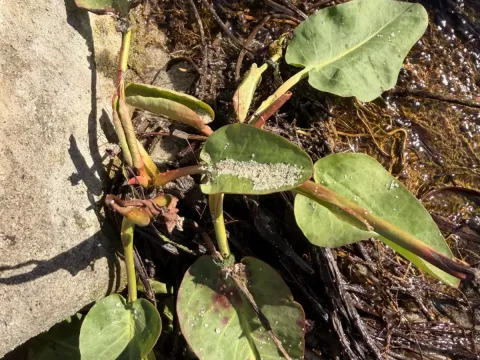
Anemopsis californica, commonly known as Yerba Mansa, is the sole species in the genus Anemopsis within the Saururaceae family. It is a perennial herb characterized by its strong affinity for wet and saline environments.
What the section contains


Anemopsis
Originating from the southwestern United States and northwestern Mexico, this plant thrives in marshes, alkaline flats, and along the edges of desert springs, demonstrating remarkable salt tolerance.
Botanically, the plant features a creeping rhizome system that allows for rapid vegetative spread. Its leaves are basal, fleshy, and glandular, while the inflorescence is a dense spike subtended by showy, petal-like white bracts.
Agricultural success with Anemopsis requires high moisture levels and full sun exposure. It performs best in soils that are consistently damp, mimicking its natural habitat in floodplains and low-lying coastal meadows.
Historically and commercially, the plant is harvested for its medicinal properties. The rhizomes are traditionally utilized in herbal medicine for their astringent, anti-inflammatory, and antiseptic properties, often prepared as decoctions or poultices.
Anemopsis is inherently resilient to most agricultural pests due to the presence of volatile oils and alkaloids in its foliage, which act as a natural defense mechanism against herbivores.
The primary threats to healthy growth are fungal pathogens that occur under conditions of stagnant water and poor soil aeration. Maintaining a balance between soil hydration and oxygenation is crucial for preventing root-related infections.