
Lizard's tail
Saururus L.
Saururus (Saururus L.) is a perennial herbaceous genus belonging to the family Saururaceae. These plants are native to wetland habitats in East Asia and North America, typically flourishing in shallow water or saturated soil conditions.
What the section contains

Lizard's tail
For successful cultivation, the plant requires constant moisture availability. It thrives in rich, organic, slightly acidic to neutral soils. In landscape applications, it is often submerged in shallow water up to 15 centimeters deep.
Climate tolerance for most species is high within temperate regions, although they benefit from protection against harsh, drying winds. Full sun exposure is generally preferred, though the plant can adapt to partial shade environments.
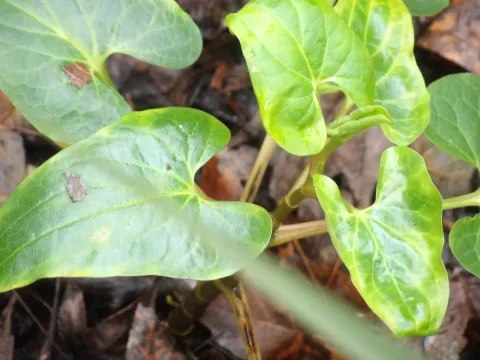
Botanically, the plant is distinguished by its heart-shaped leaves and long, arching terminal inflorescences composed of tiny white flowers, which give the plant its common name, Lizard's tail.
Economically and ornamentally, the plant serves as a vital component in water purification systems for artificial ponds. Its root systems help in stabilizing pond edges and absorbing excess nutrients from the water.
The plant is known for its robust nature and relative resistance to most common pests. Under proper aquatic conditions, it rarely succumbs to significant diseases, maintaining a healthy appearance throughout the season.
Potential threats primarily involve physiological stress caused by drastic water level drops. Drying out the roots during the peak growing season is the most common cause of decline in this aquatic species.
Fungal issues such as leaf spots can occur if the plant is grown in areas with poor water circulation or stagnant, polluted water. Maintaining clean water quality is essential for preventing these issues.
Insects are generally not a major concern; however, occasionally leaf-chewing larvae may appear. Manual removal or introducing natural aquatic predators is usually sufficient to handle minor infestations.
Crowding from aggressive aquatic weeds can inhibit the growth of Saururus. Periodic thinning of the planting area is recommended to ensure the plant has enough space and nutrients to reach its full potential.