
Yerba Mansa
Anemopsis californica
Description
Growing requirements
Yerba Mansa (Anemopsis californica) is a unique perennial plant belonging to the Saururaceae family. Native to the southwestern United States and Mexico, it is highly valued for its creeping rhizomes and medicinal properties.
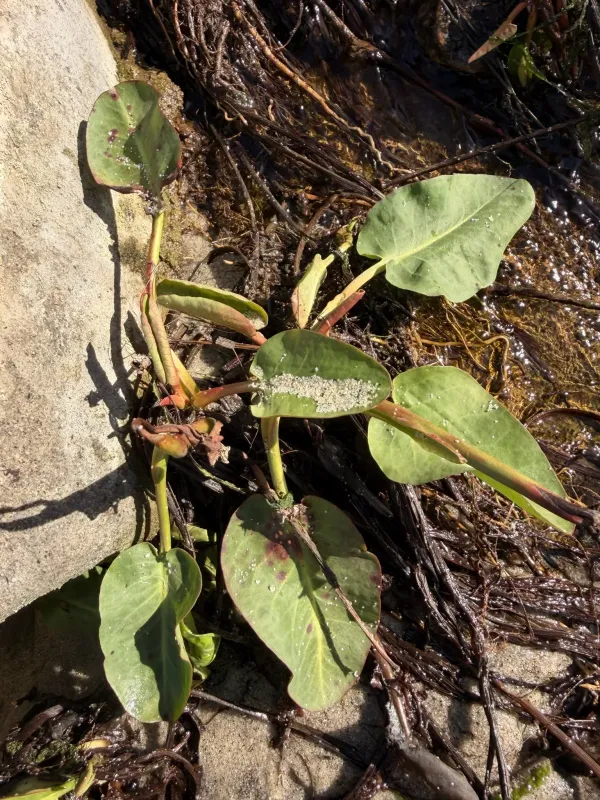
The plant typically grows in wetlands, marshes, and near salt springs. Botanically, it is identified by its large, leathery basal leaves and its distinctive inflorescence, which consists of a cone-like spike surrounded by prominent white bracts.
For successful cultivation, Yerba Mansa requires high soil moisture and full sun exposure. It is notably salt-tolerant, making it an excellent choice for reclamation projects or challenging environments with alkaline soils.
The soil should be kept constantly damp, mimicking its natural habitat. A neutral to slightly alkaline pH is ideal for promoting vigorous vegetative growth of the rhizomatous root system.
Temperature management is crucial; while it can survive light frosts, it thrives in moderate to warm climates. Protecting the root zone with organic mulch can help stabilize soil temperatures during seasonal fluctuations.
Main diseases and pests
Yerba Mansa is generally robust against common garden pests, but it can be susceptible to root-related issues. Excessive soil compaction can lead to stunted growth and increased susceptibility to decay.
Fungal pathogens such as Pythium or Phytophthora are the primary threats during cool, waterlogged periods. Improving drainage while maintaining moisture is a key management strategy.
Slugs and snails may occasionally feed on the tender young foliage, especially in greenhouse settings. Manual collection or barrier methods are usually sufficient to control these infestations.
Weed management is critical in the first year of establishment. Invasive grass species can quickly outcompete Yerba Mansa for nutrients and light if not properly controlled.
Regular field scouting for leaf spots or discoloration is recommended to detect early signs of nutritional deficiencies or pathogens before they spread throughout the crop.
Harvesting
The primary part of the plant used for medicinal and economic purposes is the rhizome. Harvesting typically occurs in late autumn or early spring when the plant's energy is stored within the roots.
Mechanical harvesting must be conducted with care to avoid excessive fragmentation of the rhizomes. Following harvest, the roots are washed, cleaned of soil debris, and processed for drying or tincture production.
It is important to leave enough root biomass in the soil to allow for natural regeneration. Sustainable harvesting practices ensure the longevity of the patch for future cycles.
Post-harvest, the material should be dried in a well-ventilated area away from direct sunlight to preserve the volatile oils. Controlled temperatures are essential to maintain the chemical potency of the extract.
Storage of the dried material requires airtight containers placed in a cool, dark environment to prevent degradation of active compounds over time.