
Anemopsis californica
Anemopsis macrophylla
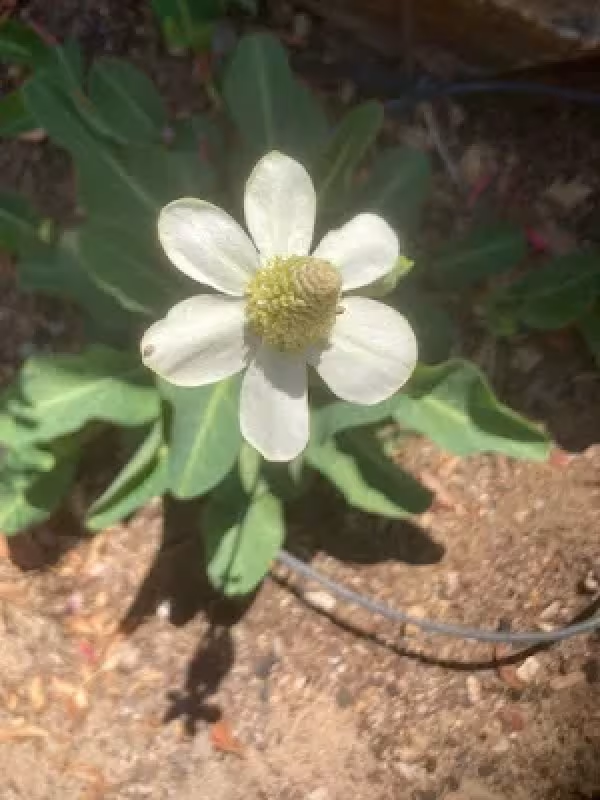
Description
Sowing dates
Propagating Anemopsis californica is primarily achieved through vegetative methods, specifically the division of rhizomes. The ideal time for planting these divisions is early spring, as the plant emerges from winter dormancy, or early autumn, before the first frost occurs.
Seed propagation requires a period of cold stratification for several weeks to break dormancy. Seeds should be sown in a light, moist substrate, maintaining high humidity levels consistently until germination occurs.
When planting, rhizome divisions should be placed at a depth of approximately 5-8 centimeters. It is crucial to provide adequate spacing between plants, as the species is known for its rapid horizontal spread through creeping rhizomes.
Planting material must be healthy, showing no signs of rot or pest damage. In commercial agricultural settings, priority is given to sites that feature reliable, controlled irrigation systems to manage soil moisture.
Young plants require protection from desiccation during the first few weeks after transplantation. Acclimatization is generally faster when plants are shielded from harsh direct sunlight for the first few days following field placement.
Growing requirements
Anemopsis californica belongs to the Saururaceae family and is recognized as a typical hydrophyte or halophyte. In its native habitat, it grows in moist, saline soils near water bodies, making consistent water access an absolute requirement for successful cultivation.
The plant thrives in open, sunny environments, where high light intensity encourages the accumulation of secondary metabolites within its tissues. Shade can negatively impact the development of the basal leaf rosette and overall biomass production.
While the plant is moderately demanding regarding soil composition, it performs best in loose, moisture-retentive substrates with a neutral to slightly alkaline pH. Its ability to tolerate saline conditions makes it a potential candidate for specialized agricultural sites.
The temperature regime must align with a temperate climate. The plant is frost-tolerant to some degree, but during harsh winters, it requires protection with organic mulch to prevent damage to the delicate root system.
Irrigation must be both abundant and regular. During dry spells, allowing the root zone to dry out is unacceptable, as it leads to a rapid loss of turgor pressure and a significant reduction in biomass yield.
Main diseases and pests
Anemopsis is a relatively resilient crop; however, if humidity levels are poorly managed or water becomes stagnant in the soil, outbreaks of fungal diseases can occur. Root rot, caused by various soil pathogens, represents the primary threat.
In greenhouse settings or areas with excessive plant density, powdery mildew may develop. Preventive measures include maintaining optimal plant spacing and ensuring high-quality air circulation throughout the crop area.
Aphids can be a recurring pest, attacking young shoots and weakening the plant. If infestation levels become high, the use of bio-insecticides is recommended to ensure the raw material remains safe for subsequent medical use.
Slugs and snails can cause significant damage to the plant's aesthetic value and biomass volume, especially during wet weather seasons. Controlling these pests involves using bait traps or physical barrier methods.
Nematodes may infest the root system in lighter soil types, leading to stunted growth. To prevent this, crop rotation should be practiced, and cultivation should be avoided in fields previously identified with contamination clusters.
Harvesting
The harvest of Anemopsis depends entirely on the intended use of the plant material. Rhizomes are typically harvested during the autumn as the aerial parts begin to die back, ensuring the concentration of active compounds is at its peak.
Aerial parts, including leaves and flowering stems, are best collected during the active flowering phase. This timing ensures that the plant possesses the maximum concentration of pharmacological properties characteristic of the species.
After excavation, rhizomes must be thoroughly cleaned of soil residues and rinsed with fresh water. It is essential to avoid prolonged soaking, which could leach out valuable essential oils and other volatile chemical components.
Drying the harvested material should occur in well-ventilated areas away from direct sunlight. The drying temperature should not exceed 40-45 degrees Celsius to prevent the degradation of heat-sensitive medicinal compounds.
The final dried product should be stored in airtight containers or breathable paper bags in a cool, dark, and dry environment. Following these storage protocols allows the crop to maintain its efficacy for 12 to 24 months.