
Aloidendron pillansii
Aloidendron pillansii
Description
Growing requirements
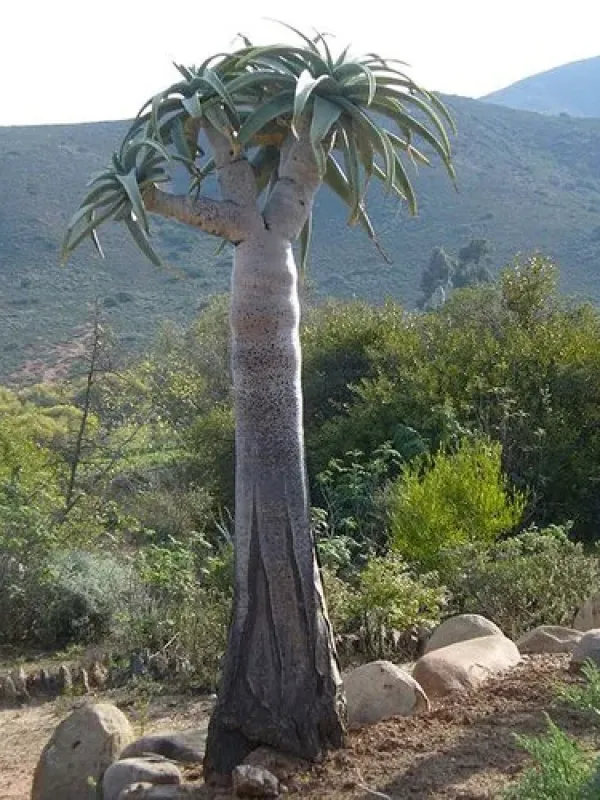
Aloidendron pillansii is a member of the Asphodelaceae family, recognized as one of the most distinctive tree-like succulents. Its natural habitat is restricted to the arid regions of the Namib Desert, where it thrives in extreme, drought-prone environments.
The plant requires full sun exposure throughout the year to maintain its structural integrity. Cultivators must ensure at least 8-10 hours of direct sunlight daily to prevent etiolation and maintain the slow, steady growth rate characteristic of the species.
Soil requirements are strictly focused on drainage. A gritty, mineral-based substrate composed of perlite, coarse sand, and pumice is essential to prevent root asphyxiation. Organic matter should be kept to a absolute minimum to mimic its native habitat.
Temperature management is critical; while it can survive moderate fluctuations, it prefers warm days and relatively cool nights. Frost exposure is strictly prohibited as it causes irreversible cellular damage to the succulent tissues.
In agricultural and ornamental settings, the primary use of this species is in xeriscaping and botanical collections. It is highly valued for its architectural form, making it a sought-after specimen for high-end landscape projects in arid climates.
Main diseases and pests
Fungal pathogens associated with overwatering remain the primary concern for growers. Root rot and stem rot occur rapidly if the substrate stays wet. Common pests include mealybugs and spider mites, which can be managed using specialized systemic insecticides or horticultural oils.