
Aloidendron dichotomum
Aloidendron dichotomum
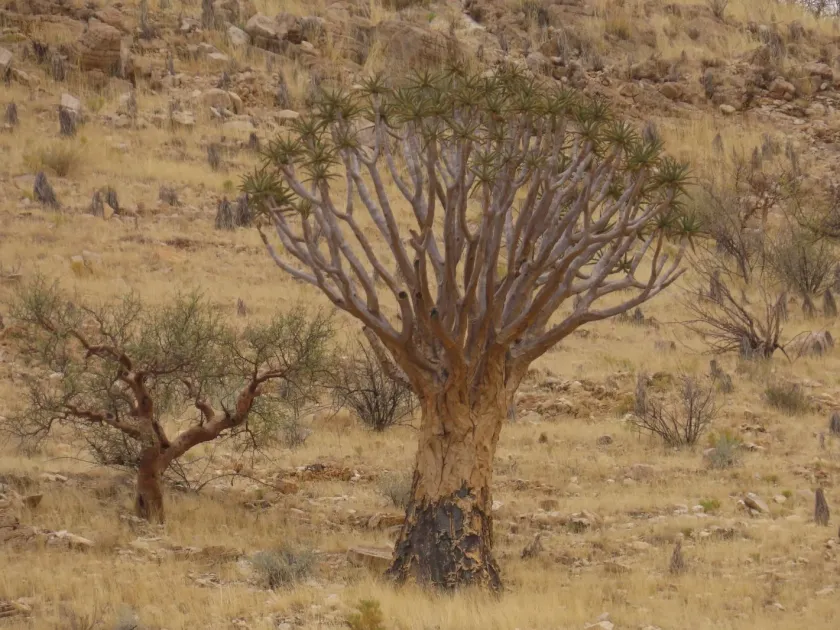
Description
Growing requirements
Aloidendron dichotomum, known as the quiver tree, belongs to the Asphodelaceae family. It is a striking arborescent succulent that exhibits a distinct branching pattern, making it a sculptural element in arid landscapes.
This species is native to the arid regions of Southern Africa, particularly Namibia and the Northern Cape. It has evolved to survive in extremely harsh desert conditions characterized by high heat and minimal rainfall.
For cultivation, the plant requires exceptionally well-draining soil, such as a coarse mix of gravel, sand, and perlite. Heavy or moisture-retentive soils are detrimental, as they cause immediate root decay and loss of the specimen.
It demands full sun exposure to maintain its structural integrity and health. In environments outside its native climate, it must be grown in greenhouses where it can receive maximum light and protection from freezing temperatures.
Agronomic management involves minimal watering, mimicking the cyclical moisture availability of the desert. During the winter, the plant should be kept dry to ensure it enters a proper dormancy phase, which is vital for its long-term survival.
Main diseases and pests
The primary threat to Aloidendron dichotomum is root rot, triggered by overwatering or poor drainage. Once root pathogens establish themselves, they can spread rapidly through the succulent tissues of the stem.
Mealybugs are a frequent pest that hides in the crevices of the leaves and stems. Their presence requires immediate intervention using localized treatments or systemic insecticides to prevent large-scale infestation.
Fungal leaf spot diseases can occur if the humidity levels remain too high for extended periods. Improving airflow and ensuring the plant remains dry after any cleaning are critical preventive measures for maintaining health.
Spider mites may affect the plant during hot and dry conditions inside an enclosure. Regular inspection of the foliage surface can help detect these pests early before significant damage to the leaf structure occurs.
Improper substrate composition often leads to stress in the plant, making it more susceptible to opportunistic infections. Utilizing a lean, mineral-based medium is essential to reduce the likelihood of biological threats to the plant.