
Alocasia sarawakensis
Alocasia sarawakensis
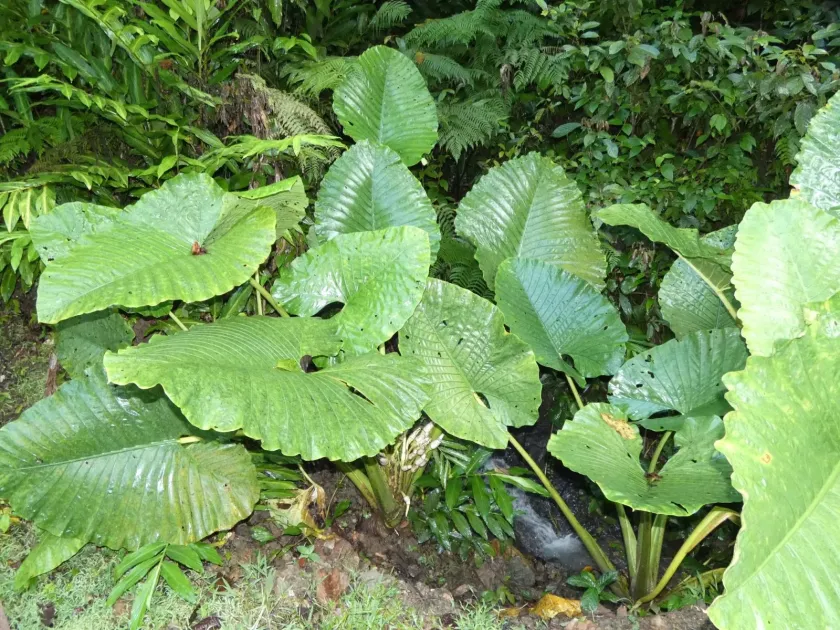
Description
Growing requirements
Alocasia sarawakensis is a robust herbaceous perennial belonging to the Araceae family. Native to the tropical rainforests of Borneo, this plant is characterized by its large, upright leaves and requires specific environmental conditions to thrive in a cultivated setting.
The optimal temperature range for this species is between 22°C and 28°C. Growers must avoid temperatures below 15°C, as the plant will enter dormancy and become highly susceptible to root rot in colder, damper soil conditions.
Soil structure should be porous, mimicking the natural leaf litter and humus-rich forest floor. A high-quality substrate consisting of coco coir, perlite, pumice, and aged bark is recommended to ensure both moisture retention and essential root oxygenation.
High humidity levels (between 70% and 80%) are crucial for maintaining the health of the foliage. In commercial greenhouse environments, precise humidity control via automated misting or fogging systems is standard practice for large-scale production.
Light levels must be bright and indirect. While the plant can tolerate lower light levels, growth will be significantly retarded, and the characteristic foliage color and structural integrity may diminish without sufficient filtered light intensity.
Main diseases and pests
Pest management focuses primarily on controlling spider mites, mealybugs, and scale insects. These pests thrive in indoor conditions, necessitating regular scouting and the application of systemic pesticides or biological control agents.
Fungal pathogens such as Pythium and Phytophthora are common threats in commercial nurseries if drainage is inadequate. Implementing rigorous sanitation protocols and using sterile, well-draining media significantly reduces the risk of these infections.