
Alocasia lowii
Alocasia lowii
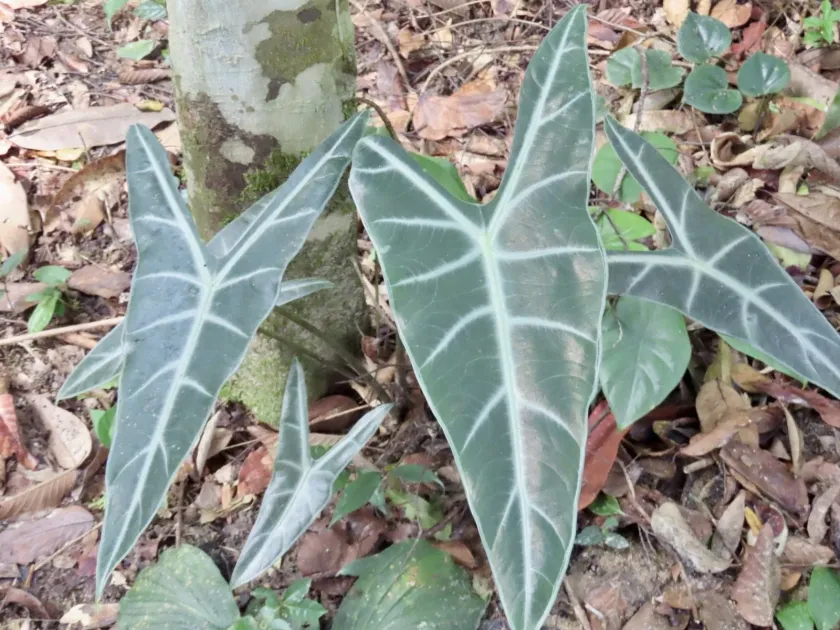
Description
Growing requirements
Alocasia lowii is a species within the Araceae family, highly valued for its striking, arrow-shaped foliage with distinct veins. Native to the tropical rainforests of Southeast Asia, this crop requires conditions that mimic its natural understory habitat.
The cultivation of this plant demands a well-draining, loose, and organic-rich growing medium. A mixture based on peat, perlite, and pine bark is typically recommended to ensure proper aeration and prevent moisture retention around the rhizome.
Temperature management is critical for the healthy growth of Alocasia lowii. The optimal range for vegetative development is between 22 and 26 degrees Celsius; significant deviations from these values can cause the plant to enter a dormant state.
Humidity requirements are high, ideally ranging from 65% to 80%. If the air is too dry, the edges of the leaves may become brittle and turn brown, significantly reducing the plant's ornamental value.
The plant thrives in bright, indirect light. Exposure to direct sunlight must be strictly avoided, as it causes rapid photo-oxidation of the chlorophyll, leading to leaf scorching and potential structural damage to the plant tissues.
Main diseases and pests
Spider mites are the most persistent pest for this species, especially in environments where humidity is poorly regulated. These microscopic arachnids thrive in warm, dry conditions, leading to leaf yellowing and stippling.
Mealybugs are another common threat, often settling in leaf axils and on the undersides of leaves. Their feeding activities weaken the plant and can facilitate the growth of sooty mold due to the secretion of honeydew.
Root rot is the most common physiological disorder caused by improper irrigation. It is usually triggered by persistent waterlogging of the substrate, which facilitates the proliferation of anaerobic bacteria and fungi that attack the root system.
Leaf spot diseases, often caused by bacterial pathogens, present as water-soaked lesions that can spread rapidly across the blade. Removing affected foliage and improving airflow are primary cultural control methods.
- Regular application of systemic pesticides.
- Ensuring proper soil drainage and aeration.
- Monitoring humidity levels to discourage spider mite outbreaks.
- Isolating infected specimens from the rest of the collection.