
Alocasia fornicata
Alocasia fornicata
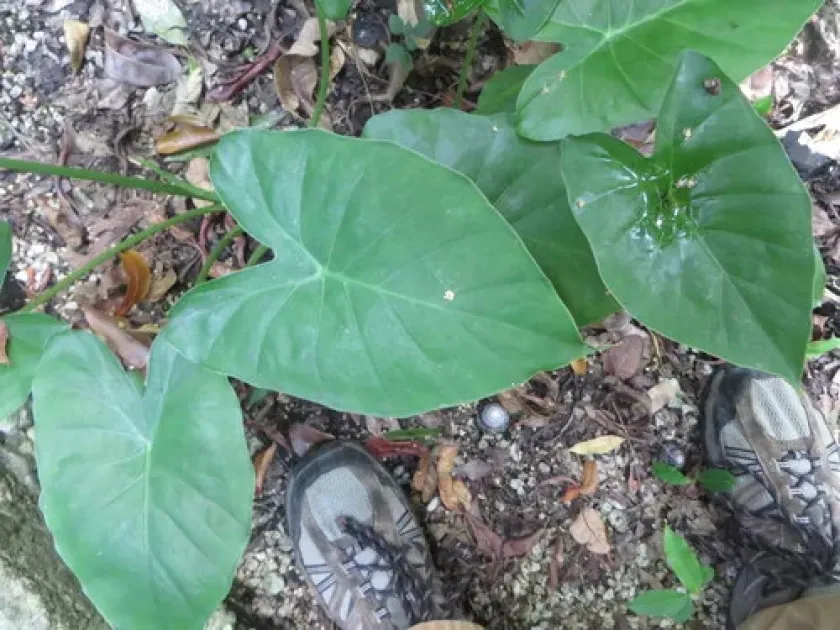
Description
Growing requirements
Alocasia fornicata is a perennial herbaceous plant belonging to the Araceae family. Originating from the tropical regions of South and Southeast Asia, this species thrives in humid, shaded environments within forests, where it has evolved specific physiological adaptations to survive in low-light, high-humidity habitats.
The botanical structure of the plant consists of a robust rhizome and large, cordate leaves supported by long petioles. The leaves are distinguished by their specific venation pattern and structural integrity, which makes this species highly recognizable among other members of the genus Alocasia.
Climate requirements for this crop focus on maintaining warm temperatures between 20°C and 28°C throughout the year. It is a strictly tropical plant that requires protection from cold drafts and frost, making it suitable for greenhouse or indoor cultivation in non-tropical climatic zones.
Soil management is critical for the success of the crop; the growing medium must be highly porous and rich in organic matter. Utilizing a mix of peat, bark, and perlite helps maintain the necessary drainage while providing adequate moisture retention, essential for healthy rhizome development.
Economically, Alocasia fornicata is primarily valued as an ornamental plant. While certain traditional uses in folk medicine or local food preparation exist, they are limited and require specific processing techniques to neutralize calcium oxalate crystals inherent in the plant tissue.
Main diseases and pests
The most common threats to the health of Alocasia fornicata include fungal pathogens such as Pythium and Phytophthora, which cause root and stem rot. These diseases are usually triggered by waterlogged conditions and poorly drained growing media.
Pest management is focused on controlling sap-sucking insects like spider mites and scale insects. These pests cause significant damage to the leaf structure, often leading to yellowing, curling, and reduced photosynthetic capacity of the plant.
Maintaining high hygiene standards in the cultivation area is crucial to prevent the spread of diseases. This includes regular cleaning of the space and isolating any plants that show early symptoms of infection or pest infestation.
Integrated Pest Management (IPM) strategies, including the use of targeted biological controls and safe chemical applications, are recommended for large-scale greenhouse production to minimize the impact on the plants and the environment.
Overall, providing a balanced environment with sufficient airflow and proper nutrient supply reduces plant stress, making the Alocasia more resistant to environmental pressures and opportunistic pathogens.