
Alocasia lindeni
Alocasia lindeni
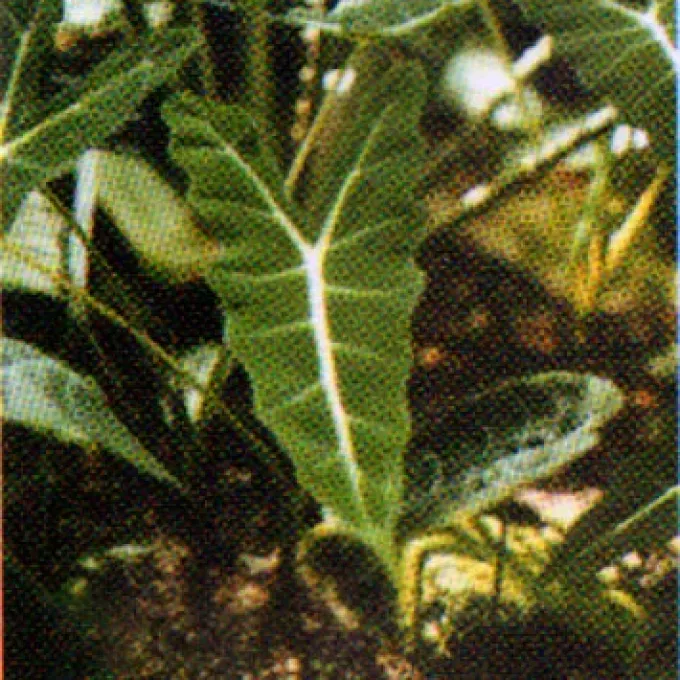
Description
Growing requirements
Alocasia lindeni is a striking herbaceous perennial belonging to the Araceae family, native to the humid tropical forests of New Guinea. It is widely cultivated for its distinct arrow-shaped foliage and elegant vein patterns, serving as a decorative centerpiece in interior landscaping.
The plant features a subterranean tuberous rhizome which acts as a storage organ, allowing it to thrive in its native habitat's fluctuating environments. Understanding this biology is crucial for providing proper care, as it dictates the watering frequency and potential dormancy periods during cooler months.
Climatic requirements are specific: the plant thrives in temperatures ranging from 22°C to 28°C and requires high ambient humidity levels. It is essential to avoid cold drafts or air conditioning units, as rapid thermal fluctuations can lead to leaf yellowing and necrosis of the leaf margins.
Soil management for Alocasia lindeni requires a well-aerated, loose substrate rich in organic matter. A professional mix often includes coco coir, bark, and perlite to ensure optimal oxygenation of the roots while maintaining a moist environment without waterlogging.
Light intensity should be bright but diffused; the plant is evolved to grow under the canopy of larger rainforest trees. Providing excessive direct light leads to leaf scorching, while insufficient light leads to attenuated petioles and a loss of the plant's characteristic compact habit.
Main diseases and pests
Common pests include spider mites and mealybugs, which tend to flourish in environments with stagnant air and low humidity. Regular leaf inspections and maintaining optimal air circulation are the most effective strategies for preventing infestations before they compromise plant health.
The most frequent physiological threat is root rot caused by stagnant water in the substrate or fungal pathogens such as Phytophthora. To manage these risks, ensure that containers have adequate drainage and strictly avoid leaving the plant in standing water within saucers or decorative pots.