
Alocasia robusta
Alocasia robusta
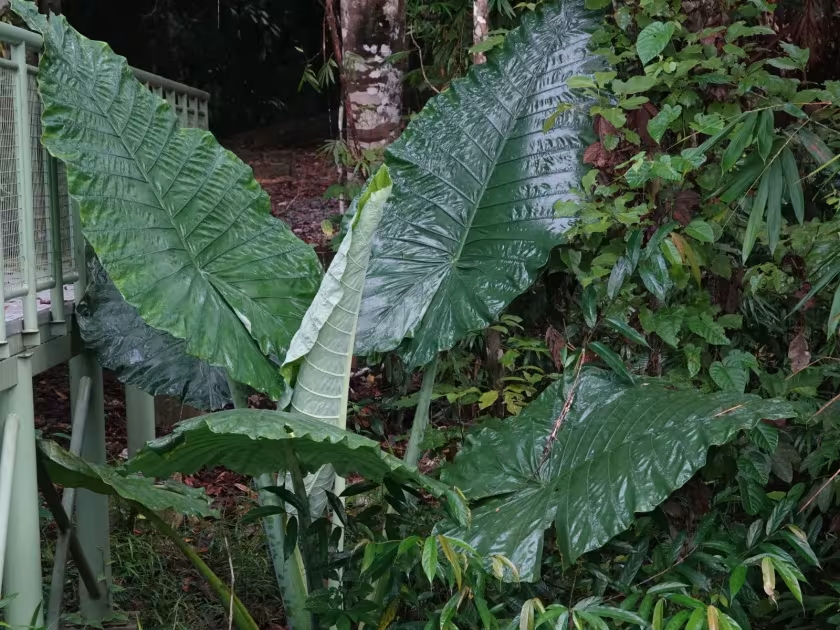
Description
Growing requirements
Alocasia robusta is a giant tropical plant belonging to the Araceae family. Native to the rainforests of Borneo, it is celebrated by botanists and collectors for its massive, impressive foliage that can grow to several feet in length in its natural habitat.
To cultivate this species successfully, growers must emulate its native environment by providing high humidity levels, ideally above 70%. The plant thrives in warm, stable conditions and is highly susceptible to chilling stress if temperatures fall below 18°C.
The soil requirements are strict: the medium must be highly porous and well-draining. A typical mix includes high-quality potting soil, orchid bark, perlite, and charcoal, which ensures that the roots receive adequate oxygen while retaining necessary moisture.
Light requirements for Alocasia robusta involve bright, indirect light. Direct sun exposure can lead to severe leaf burn, while insufficient light will cause the plant to become leggy and slow down its metabolic processes significantly.
Water management is critical; the substrate should be kept consistently moist but never waterlogged. Overwatering is the most common cause of failure in the cultivation of this species, often leading to rapid root decay.
Main diseases and pests
The primary threats to this species include various forms of root and crown rot, caused by fungal pathogens such as Pythium and Phytophthora. These are almost always linked to poor drainage or overly compacted soil conditions.
Pest issues include spider mites, which thrive in low-humidity indoor environments. These microscopic pests feed on the cell sap, causing yellowing and eventual necrosis of the leaf margins.
Mealybugs are another common pest that tends to cluster in the tight leaf petioles. Regular inspection and localized treatment with horticultural oils or insecticidal soap are recommended as part of routine maintenance.
Fungal infections can also manifest as leaf spots. Keeping the foliage dry and ensuring good air circulation around the plant are effective ways to mitigate the risk of air-borne pathogen outbreaks.
Implementing a preventive integrated pest management (IPM) program is essential for large-scale or collection-based cultivation to ensure the long-term health of the plant population.