
Alocasia puber
Alocasia puber
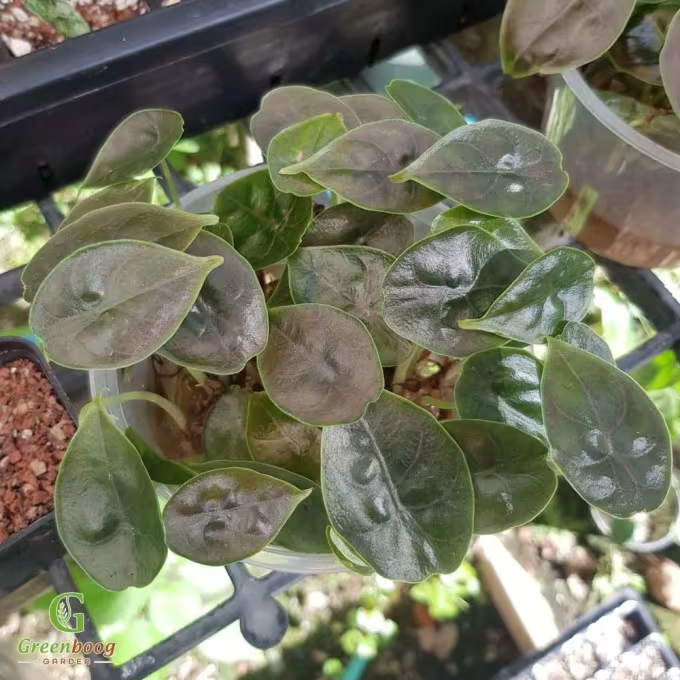
Description
Growing requirements
Alocasia puber is a species of flowering plant within the Araceae family, native to the tropical regions of Southeast Asia. It is scientifically distinguished by the fine, hair-like structures (pubescence) on its foliage, which provides a unique aesthetic appeal compared to other common Alocasia varieties.
To ensure optimal development, the plant requires a warm and stable climate. The ideal temperature range for this species is between 22 and 28 degrees Celsius. Exposure to cold drafts or temperatures dropping significantly below 18 degrees Celsius can trigger dormancy or cause severe damage to the plant tissue.
The substrate must be highly porous and well-draining to maintain a balance between moisture retention and oxygen availability. A recommended potting mixture typically includes high-quality peat, perlite, bark chips, and coco coir to mimic the natural forest floor environment where these plants thrive.
Lighting conditions should be focused on bright, indirect light. Direct sunlight can easily scorch the foliage due to the thin nature of the leaves, while insufficient light leads to etiolation and loss of the characteristic vibrant color of the plant.
Humidity management is crucial for Alocasia puber. As a tropical forest species, it prefers high ambient humidity levels (above 60 percent). Growers often use pebble trays or ultrasonic humidifiers to sustain these levels, especially during winter months when indoor heating systems dry out the air.
Main diseases and pests
Root rot remains the most common disease associated with Alocasia puber. This condition is primarily driven by overwatering or soil that has become too compacted, leading to an environment where fungi such as Pythium and Phytophthora can easily thrive and destroy the root system.
Pest pressure is frequently linked to environmental stressors. Spider mites are the most persistent threat in low-humidity conditions. They puncture the leaf cells to feed, resulting in a stippled appearance, and can rapidly cause the decline of the plant if left unchecked.
Mealybugs are another common pest that tends to hide in the axils of the leaves and along the petioles. These insects produce a white, waxy substance, which makes them difficult to remove manually and often necessitates the use of systemic insecticides or horticultural oils.
Regular inspection is the primary defense strategy. Integrated pest management (IPM) practices suggest removing any affected leaves immediately to reduce the population of pests and preventing the spread of secondary bacterial infections that often enter through insect feeding sites.
Chemical treatments should be applied carefully. Many Alocasia species are sensitive to strong synthetic pesticides. Therefore, it is recommended to test any treatment on a small, inconspicuous portion of the plant before applying it to the entire surface to avoid chemical phytotoxicity.