
Alocasia portei
Alocasia portei
Description
Growing requirements
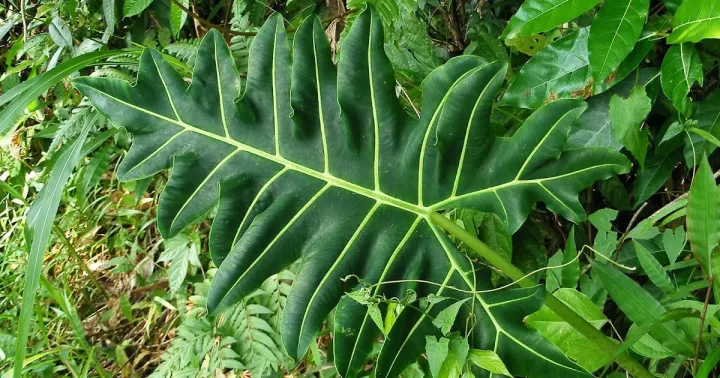
Alocasia portei is a majestic tropical plant species belonging to the Araceae family. Native to the Philippine rainforests, it is highly valued for its striking, deeply lobed, serrated foliage that can grow to massive proportions in suitable tropical environments.
The plant grows from a thick, sturdy trunk, which makes it distinct from many other herbaceous species of the genus. Its architecture makes it a preferred choice for large-scale botanical displays, interior design, and conservatory collections worldwide.
Temperature requirements are stringent, necessitating a constant range between 20 °C and 28 °C for healthy development. It is highly sensitive to cold, and any exposure to temperatures below 15 °C can lead to metabolic slowdown and tissue damage.
The cultivation medium must be highly porous and moisture-retentive but never soggy. A blend consisting of coco coir, bark, perlite, and a small amount of charcoal is ideal for maintaining the necessary root aeration while preventing water stagnation.
Light should be bright and indirect, as direct sunlight can easily bleach the leaves and destroy their ornamental appeal. Consistent humidity levels of 60% or higher are essential to prevent the leaf margins from browning and drying out prematurely.
Main diseases and pests
The most frequent pest challenges include spider mites, which thrive in low-humidity conditions. These small pests colonize the underside of leaves, causing significant damage through sap extraction, which eventually results in stunted foliage growth.
Root rot is the most serious disease risk, caused by pathogens such as Phytophthora or Pythium. This is almost exclusively triggered by overwatering or using a medium with poor drainage, necessitating immediate root pruning and repotting in fresh substrate.
Mealybugs are another common threat, often hidden in the crevices of the leaf stalks or near the base of the trunk. Their presence is marked by white, cotton-like masses, which should be manually removed and treated with systemic insecticides.
Leaf spot diseases, characterized by dark, watery lesions, are common in environments with poor air circulation. Improving airflow and avoiding overhead watering significantly reduces the incidence of these fungal and bacterial infections.
Effective management requires a proactive approach: regular cleaning of leaves with mild soap solutions and routine inspections for early signs of distress. Integrating healthy cultural practices remains the primary defense against almost all pest and disease outbreaks.